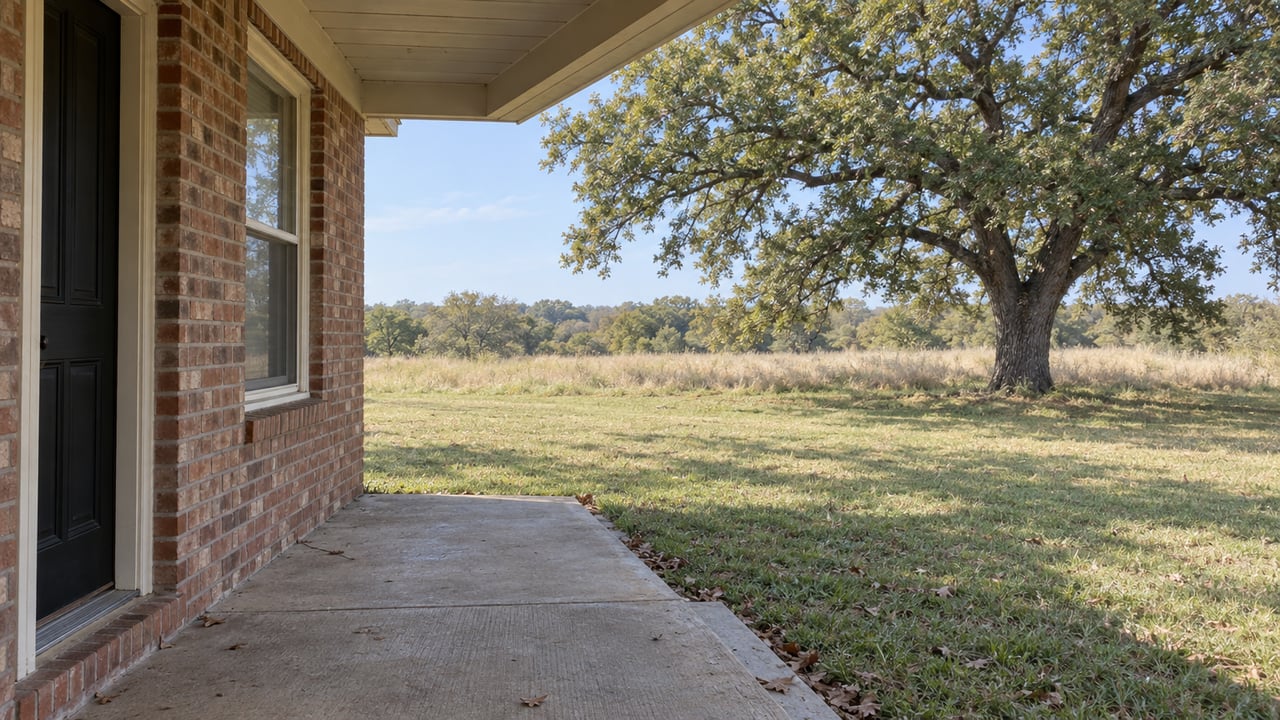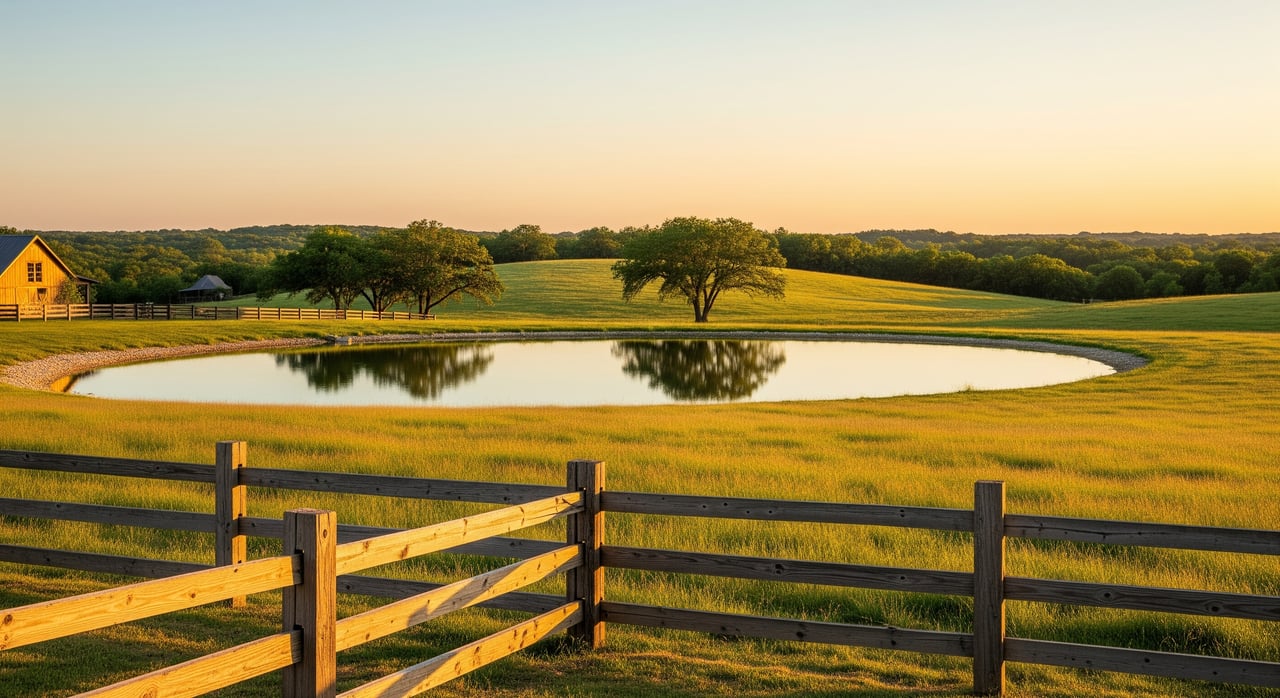
If you own acreage in Montgomery, you know that healthy pastures and a reliable pond make your land more enjoyable and more valuable. With our warm, wet climate and long growing season, it can also be a lot to manage. This guide gives you local, practical resources to improve forage, protect your pond, and know who to call when you need help. Let’s dive in.
Montgomery’s land and water at a glance
Montgomery sits in East‑Central Texas with warm seasons and roughly 48 to 50 inches of annual rain. That’s great for warm‑season grasses and winter overseeding, but it also boosts aquatic weed growth and can stress pond oxygen in summer. Planning for both growth and maintenance will keep your acreage productive year‑round.
Pasture care essentials
Start with a soil test
Before you fertilize or reseed, get a baseline soil test. The Texas A&M AgriLife Soil, Water & Forage Testing Laboratory can analyze your soil and provide recommendations for pH, phosphorus, potassium, and more. Your Montgomery County Extension office can also help you collect a good sample and interpret results. Start here: the AgriLife lab’s soil testing page has submission steps and forms.
- Submit samples: Texas A&M AgriLife Soil, Water & Forage Testing Laboratory
Choose forages by season
In this area, common warm‑season perennials include Bermudagrass, bahiagrass, and dallisgrass. Many landowners overseed with annual ryegrass or small grains for winter grazing. For side‑by‑side pros and cons and establishment tips, see AgriLife’s Forage Fax on Bermudagrass vs. bahiagrass.
Graze with a plan
Match your stocking rate to what your pasture can carry, then use rotational or strip grazing to protect forage and soils. Cross‑fencing and reliable water access also improve utilization. If you plan capital improvements like pipelines or new fencing, NRCS programs can help with technical designs and potential cost‑share.
Weeds, brush, and pests
Identify problem species before you treat. East Texas pastures may see brush like Chinese tallow or privet, plus seasonal weed flushes and ticks or internal parasites that affect livestock. Your county Extension agent can help you confirm species and timing. Use labeled herbicides as directed, or hire a licensed applicator when needed.
Pond planning and rules to know
Before you dig: Texas rules
Texas Water Code Section 11.142 allows certain small ponds used for domestic and livestock purposes without a state water right permit, up to specific storage limits and conditions. It does not fit every site or purpose. Review the statute and consult a professional if your project might capture a defined watercourse or involve commercial use.
- Law reference: Texas Water Code §11.142
When federal permits apply
If your pond would affect wetlands or place fill in a channel, federal rules can apply. Contact the U.S. Army Corps of Engineers early for guidance on whether your site is jurisdictional.
- Overview: USACE: Do I Need a Permit?
Dam safety matters
Even small dams need sound design and routine maintenance. Larger or higher‑risk dams may fall under state dam safety requirements. TCEQ’s Dam Safety program outlines owner responsibilities and training resources.
- Program page: TCEQ Dam Safety
Build and maintain a healthy pond
Design and expert guidance
Start with site suitability and goals. AgriLife’s pond management hub covers siting, construction basics, and fishery planning. County Extension can connect you with engineers or fisheries pros for more complex projects.
- Resources: AgriLife Pond Management
Monitor water quality
Track dissolved oxygen, temperature, pH, alkalinity, and visibility, especially during hot months. These metrics guide aeration needs, stocking choices, and nutrient management. AgriLife can help you choose tests and interpret results.
Stock fish the right way
Stocking works best when you establish forage fish first, then add predators later. The right species mix and timing depend on your pond’s fertility and your goals. Use reputable hatcheries and ask a fisheries biologist or Extension agent to tailor a plan.
Control aquatic vegetation
Common local weeds include hydrilla, giant salvinia, and water hyacinth. Effective control often combines mechanical removal, correctly labeled aquatic herbicides applied by a licensed applicator, and biological options like triploid grass carp where appropriate. In Texas, triploid grass carp require a permit from TPWD.
- Options and permits: TPWD Aquatic Plant Management
Aeration and seasonal stress
Summer heat and cloudy days can cause low‑oxygen events, while seasonal turnover can also stress fish. Diffused aeration or fountains are common prevention tools. If you see sudden fish stress, aerate immediately and contact Extension before restocking.
Local contacts and programs
- Montgomery County Texas A&M AgriLife Extension — Your first call for soil testing help, forage and pond questions, classes, and referrals. County contact page
- NRCS Texas — Technical planning and potential cost‑share for cross‑fencing, water systems, brush control, and grazing practices. EQIP program info
- San Jacinto River Authority — Updates on Lake Conroe water and invasive plant work that can affect shoreline owners. Lake Conroe invasive plant efforts
Quick-start workflow
Call county Extension to share your goals for pasture or pond. They can help you plan sampling and next steps.
Test your soil and, if needed, your pond water to establish a baseline for pH, nutrients, and clarity.
If you plan to build or modify a pond, verify whether the Water Code exemption applies and whether your site could trigger USACE or dam safety requirements.
Meet with NRCS about cross‑fencing, watering systems, prescribed grazing, or brush control. Ask about EQIP cost‑share.
For aquatic vegetation, work with Extension and a licensed applicator on integrated control. Seek TPWD permits for triploid grass carp if that’s part of your plan.
Ready to make your acreage work harder for you? If you’re planning improvements, considering a purchase, or prepping to sell land, connect with a local farm and ranch specialist who knows Montgomery and the surrounding counties. Reach out to Coldwell Banker Properties Unlimited for a conversation about your goals and the resources to get you there.
FAQs
Do I need a permit to build a private pond in Montgomery County?
- Maybe. Small livestock and domestic‑use ponds can be exempt under Texas Water Code §11.142, but ponds that intercept a defined watercourse, affect wetlands, or serve commercial uses may require state or federal permits. Check with TCEQ and the U.S. Army Corps of Engineers before you dig.
Where can I test my pasture soil and pond water near Montgomery, TX?
- Use the Texas A&M AgriLife Soil, Water & Forage Testing Laboratory for soil and basic water tests, and contact the Montgomery County Extension office for sampling help and interpretation.
What fish should I stock in a new one‑acre pond?
- Most plans start by stocking forage species first, then adding predators later. The best mix and timing depend on your goals and pond fertility, so consult Extension or a fisheries biologist before ordering fish.
How do I control hydrilla or salvinia in my pond?
- Integrated control works best: mechanical removal, labeled aquatic herbicides applied by a licensed applicator, and triploid grass carp where appropriate. Grass carp require a TPWD permit in Texas.
Are there programs that help pay for cross‑fencing and water systems?
- Yes. NRCS’s EQIP program often provides cost‑share for cross‑fencing, pipelines, watering facilities, prescribed grazing, and brush control. Start by contacting the local USDA Service Center/NRCS office.