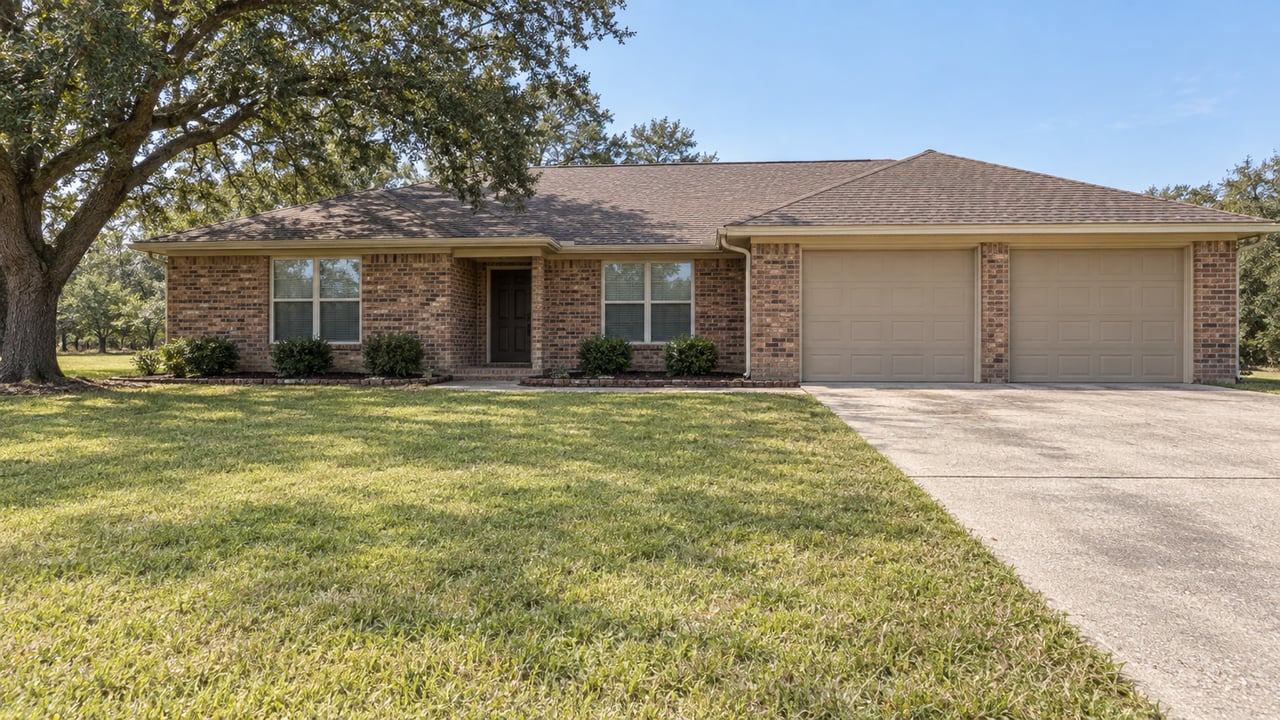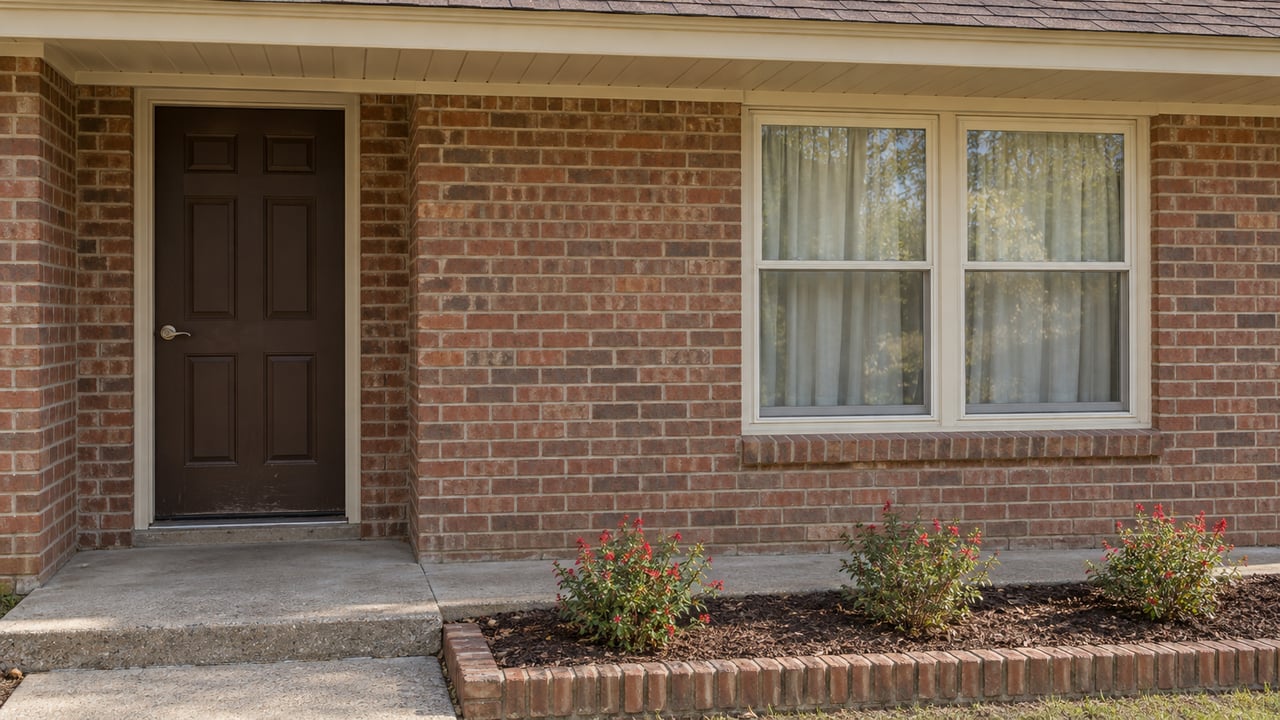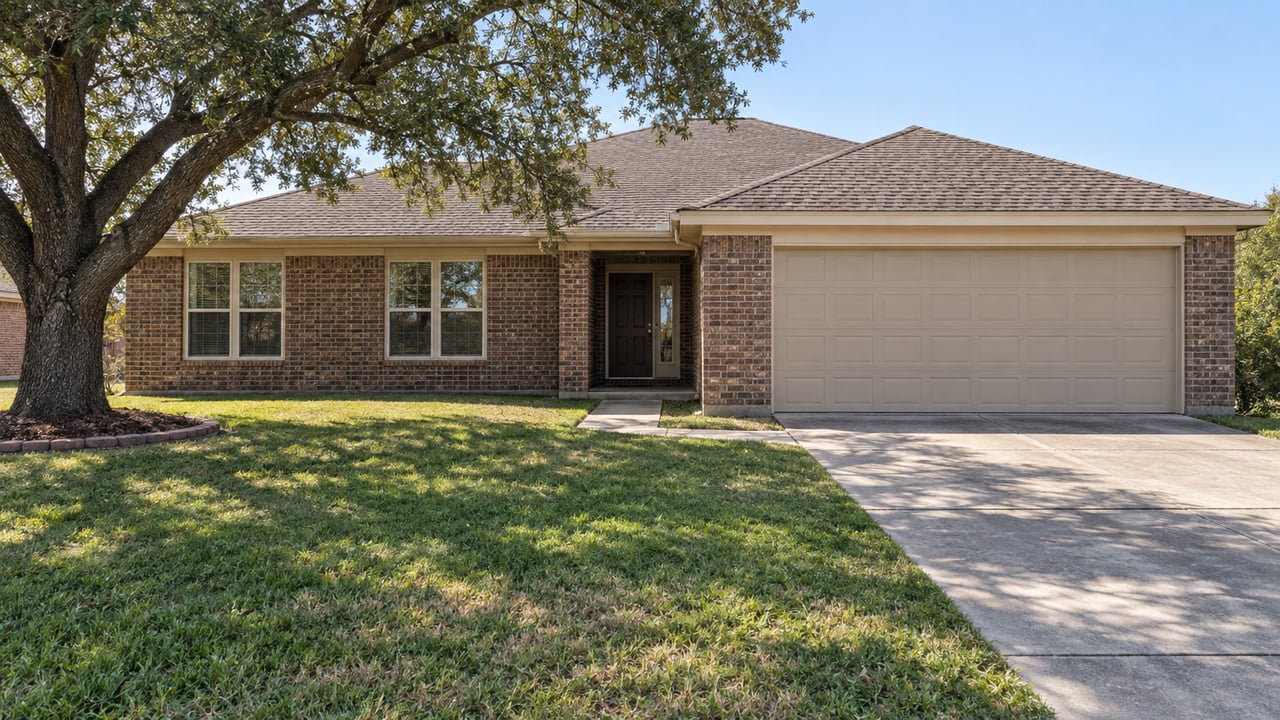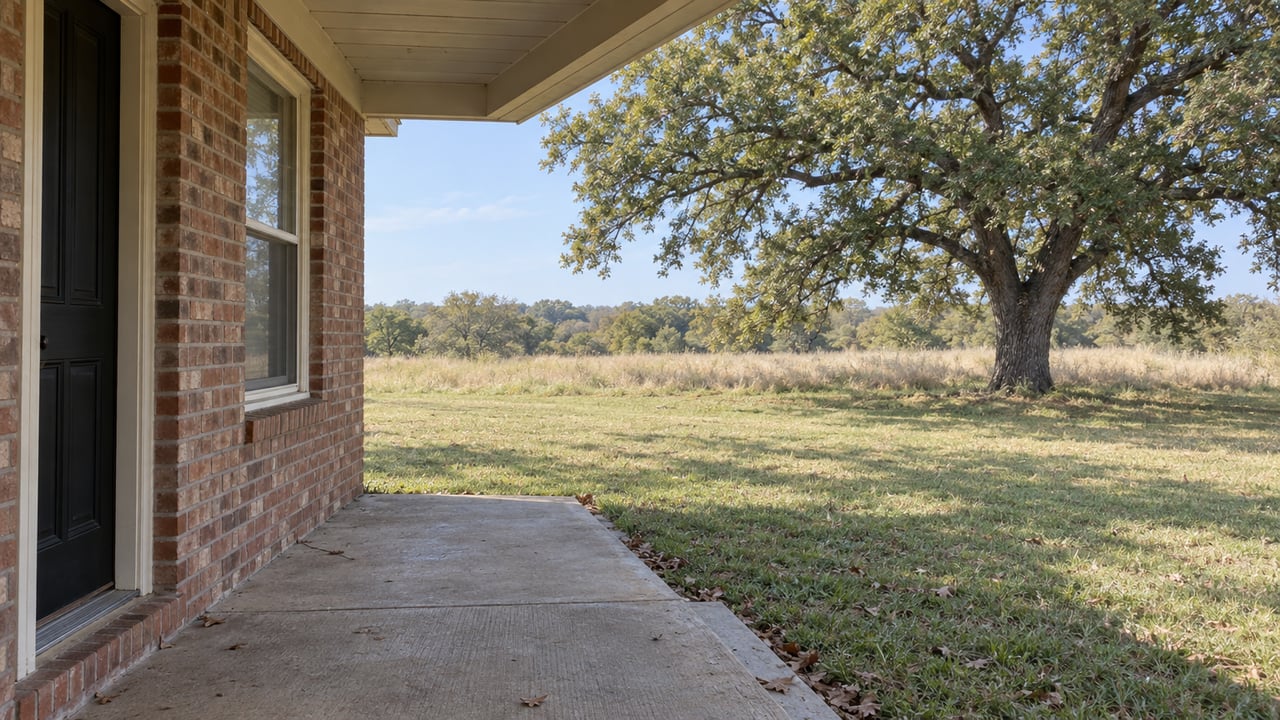
Thinking about country living near Magnolia and wondering if an HOA neighborhood or a no-HOA tract fits you best? You are not alone. Many families relocating to Montgomery County want space, privacy, and a smart long-term investment, and the right choice depends on how you plan to live day to day. In this guide, you will learn how HOAs and no-HOA rural tracts differ on rules, maintenance, utilities, costs, and resale in the Magnolia area, plus a practical checklist to use before you buy. Let’s dive in.
Magnolia country living at a glance
Magnolia sits in Montgomery County with a mix of city-limit neighborhoods, country subdivisions, and large rural tracts. Some communities have active HOAs with recorded covenants and a board. Others have only basic deed restrictions or none at all. In much of unincorporated county areas, land use is guided more by plats, deed restrictions, and state rules than by county zoning, so it pays to confirm what actually governs a property early in your search.
Governance and rules
HOA neighborhoods
- You will follow recorded CC&Rs, bylaws, and community rules enforced by a board or management company.
- Most HOAs use an architectural review for exterior changes, fencing, roofing, outbuildings, and additions.
- Rules commonly address vehicle parking, RVs or boats, visible equipment, landscaping, and sometimes animals.
- HOAs in Texas operate under their governing documents and state statutes. For statewide rules on association procedures and limits, review the Texas Property Code Chapter 209.
No-HOA rural tracts
- You usually have broader freedom on use, subject to county and state law. Some properties still carry deed restrictions even without an active association.
- Conflicts are handled through civil law and local ordinances, not by an HOA.
- Expect more personal responsibility for decisions and neighbor-to-neighbor problem solving.
Maintenance, services, and infrastructure
Roads and access
- HOA communities may have private roads. The HOA maintains them and funds repairs through dues and reserves. Construction standards can vary.
- Many rural properties sit on public county roads. Others share private easements where owners split maintenance. Always confirm who owns and maintains the road that serves the property.
Utilities and amenities
- Country properties often rely on private wells, on-site septic systems, and propane. Some rural-feel subdivisions connect to a community water system or public water district.
- HOAs sometimes manage gated entries, signage, common-area landscaping, trash service contracts, trails, or small parks.
- No-HOA tracts usually handle each service individually with fewer shared amenities.
Daily living and lifestyle
Property use and animals
- HOAs may limit livestock, commercial vehicles, and farming activities. Some rural HOAs permit horses or agricultural uses in a controlled way.
- No-HOA tracts typically allow more flexible animal and agricultural uses, subject to health and nuisance rules.
Appearance and privacy
- HOAs enforce uniform standards for curb appeal and upkeep, which many buyers value.
- Unrestricted or lightly restricted tracts show more variety in how neighbors maintain their property. You gain freedom but accept less control over nearby aesthetics.
Noise, structures, and rentals
- HOAs often set quiet hours, limit short-term rentals, and regulate sheds and accessory buildings.
- In no-HOA areas, local ordinances and state law set the baseline. If a property sits inside city limits, municipal rules can also apply.
Costs and financial responsibilities
With an HOA
- You pay recurring dues for common-area upkeep, private road maintenance if applicable, reserves, insurance on shared areas, and amenities.
- Special assessments can occur if reserves fall short or capital projects arise.
- Review budgets, reserves, and meeting minutes before you buy. Healthy financials matter.
With no HOA
- There are no dues, but you pay directly for private road upkeep, well and septic repairs, fencing, and site drainage fixes.
- Costs can be less predictable when big-ticket items need attention.
Resale and marketability in Magnolia
- HOAs can attract buyers who prefer uniform standards, shared amenities, and predictable upkeep. Some buyers pay more for that consistency.
- Strict rules and monthly dues can limit appeal to buyers who want livestock, large outbuildings, or RV storage.
- No-HOA tracts draw buyers seeking freedom and agricultural uses. Other buyers may worry about variable neighbor maintenance or private road responsibilities.
- In practice, local buyer preferences and the quality of a specific neighborhood or tract drive price differences more than the simple presence or absence of an HOA.
Magnolia-specific checks you should not skip
Wells and septic
- Many country properties use private wells and on-site sewage systems. Verify water quality and flow, and inspect pumps and treatment equipment.
- Review septic permits and maintenance records. For statewide guidance, see TCEQ information on on-site sewage systems.
- If you prefer a community water system, confirm service areas before you fall in love with a home.
Flooding and drainage
- Magnolia and nearby areas include creeks and low-lying spots. Always check FEMA Flood Insurance Rate Maps to understand risk and insurance needs. Start with the FEMA Flood Map Service Center.
- HOAs sometimes invest in community drainage. On large tracts, you may be responsible for site grading and runoff solutions.
Broadband and commuting
- Internet and cell coverage can vary. Use the FCC National Broadband Map and contact local providers to confirm service.
- Consider your commute to work and medical services. Travel times depend on your exact location and road conditions.
Schools and services
- Many families in the area are zoned to Magnolia ISD. Use the Magnolia Independent School District site to review attendance zones and transportation details.
- In rural areas, fire, EMS, and law enforcement response times can be longer than inside city limits.
Groundwater resources
- If you are evaluating a well or planning for one, explore data and planning tools from the Texas Water Development Board.
Buyer due-diligence checklist
Use this list to compare an HOA property and a no-HOA tract side by side.
Legal and documents
- Get and review CC&Rs, bylaws, rules, architectural guidelines, and amendments.
- Request HOA financial statements, current budget, reserves, assessment history, and recent meeting minutes.
- Ask about any pending or recent HOA litigation.
- Confirm ownership and maintenance responsibilities for roads, drainage, and shared infrastructure.
Property and systems
- Well: test water quality and flow; inspect pump and any treatment system.
- Septic: confirm permits, pumping history, tank and field locations, and any past failures.
- Flood risk: review FEMA map designation and any elevation certificate; confirm flood insurance requirements.
- Survey and easements: obtain a boundary survey; note access and utility easements.
- Structures: inspect roofs, foundations, barns, fences, and driveways.
Lifestyle and use
- Confirm rules for horses, livestock, home businesses, RV or boat storage, and short-term rentals.
- Ask about guest parking, exterior lighting, signage, and exterior modification limits.
Financial and resale
- Verify current dues, due dates, and collection policies; ask about special assessments.
- Review property tax history and exemptions through the local appraisal district.
- Request the HOA resale certificate or transfer disclosure if applicable.
Neighborhood feel
- Drive the area at different times to gauge traffic, noise, and neighbor activity.
- Ask about drainage during heavy rain, road wear, and any recurring issues.
Questions to ask an HOA before you buy
- How is the association governed and managed? Volunteer board or professional management?
- What are the rules on animals, outbuildings, fencing, and visible vehicles or equipment?
- How much is in reserves and what capital projects are planned in the next 5 years?
- Have there been special assessments in recent years? Why and how much?
- What is the policy on rentals and short-term rentals?
If there is no HOA: smart steps to protect yourself
- Read any deed restrictions carefully and confirm they match your intended use.
- Get road maintenance agreements in writing if access is via a private easement.
- Budget for well, septic, driveway, and drainage upkeep.
- Meet neighbors and ask about area norms, heavy equipment traffic, or livestock practices.
Understanding enforcement and risk
- HOAs can levy fines, suspend use of amenities, and in some cases place liens or foreclose as allowed by the governing documents and state law. Review Texas Property Code Chapter 209 for statewide procedural rules and limits.
- In no-HOA areas, you rely on civil remedies and county or municipal ordinances. Keep records of any agreements and communicate early to avoid disputes.
Bottom line
If you want consistency, shared maintenance, and amenities, a well-run HOA neighborhood near Magnolia can be a great fit. If you want maximum flexibility for animals, barns, and equipment, a no-HOA or lightly restricted tract may better match your goals. The right choice starts with clear due diligence on rules, roads, wells, septic, flood risk, broadband, and commute logistics.
When you are comparing properties, a local advisor who understands country systems and Magnolia’s mix of subdivisions and tracts can save you time and stress. If you are weighing options or preparing to sell, reach out to our team at Coldwell Banker Properties Unlimited for local insight and marketing that fits country properties. Get a Free Property Valuation.
FAQs
What is the main difference between HOA and no-HOA near Magnolia?
- HOAs add community rules, shared maintenance, and dues; no-HOA tracts offer more freedom but shift maintenance and enforcement to individual owners and civil law.
Who maintains roads on rural Magnolia properties?
- It depends. HOAs often maintain private roads using dues, while county roads are public. Some tracts use private easements where owners share maintenance costs.
How do I check flood risk before buying near Magnolia?
- Use the FEMA Flood Map Service Center to find the flood zone, then review insurance needs and ask for any available elevation certificate.
What should I review for a property with a well and septic?
- Test well water and flow, inspect pumps and treatment, confirm septic permits and service history, and review TCEQ guidance on on-site systems at the TCEQ OSSF page.
How can I confirm internet options for a rural tract?
- Start with the FCC National Broadband Map, then call local providers to confirm serviceability and speeds at the specific address.