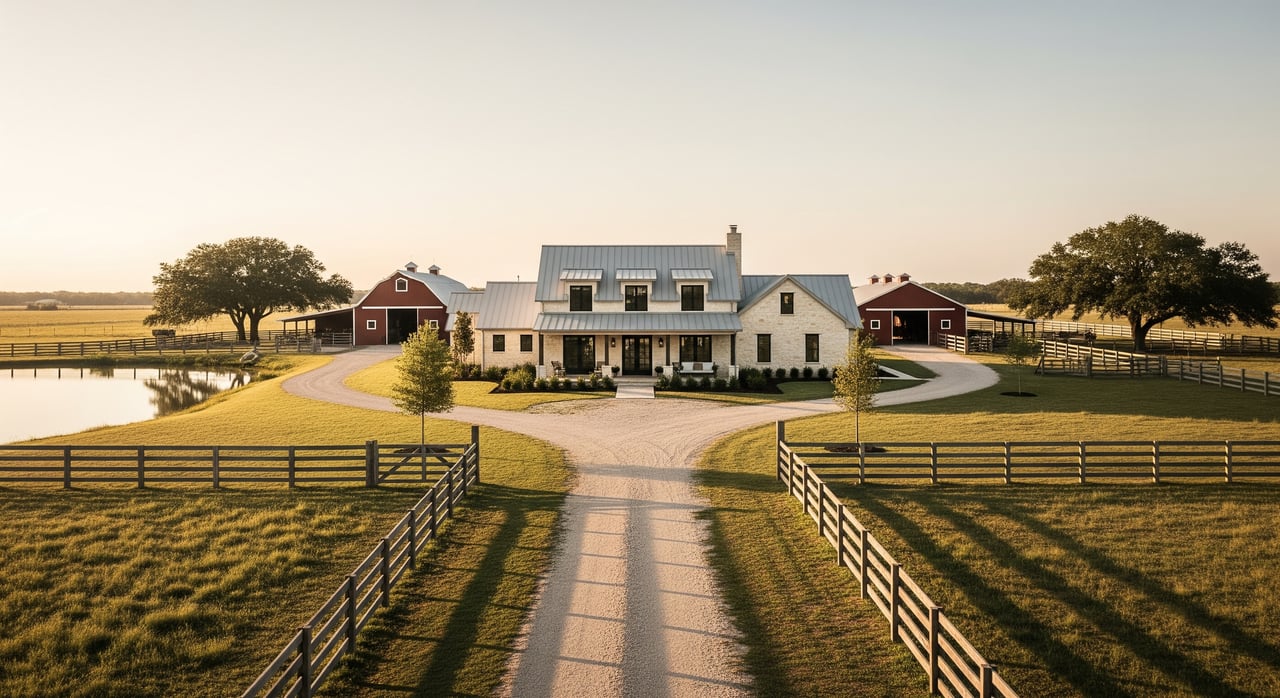
Thinking about selling your ranch or acreage in Waller County but not sure where to start? You are not alone. Land sales come with more variables than a typical house listing, from floodplain and soils to fencing and mineral rights. In this guide, you’ll see how ranches in the 77484 area are priced, marketed, and presented to attract serious buyers, including those coming from outside the Houston region. Let’s dive in.
What drives ranch value in 77484
Location is a major driver. Proximity to Houston and access to major roads can raise value, especially for buyers who plan to commute or see future development potential. Buyers look closely at road frontage, drive times, and connectivity to nearby employment and amenities.
Utility access matters. Electric service, water availability, and the status of wells and septic systems influence both usability and long-term operating costs. Parcels with documented service and clear access often sell faster and more confidently.
Land characteristics shape price. FEMA flood zones, soil types, drainage, and water features affect usable acreage and use cases. Buyers also consider easements, mineral rights, and recorded restrictions. Many will review Waller County appraisal records, parcel maps, and recent regional sales trends before making an offer.
How we price unimproved acreage
Unimproved acreage is typically valued using recent comparable sales on a per-acre basis, adjusted for specific features. We look for vacant land sales with similar size, location, access, topography, and allowable uses.
Adjustments are made for distance to major corridors and urban centers, availability of utilities, and the percentage of land affected by floodplain or wetlands. Usability often matters more than gross acres, so buyers study the true standable or grazeable acreage.
Easements, road frontage, and the ability to subdivide can also shift value. If the parcel clearly supports a higher and better use, such as large-lot residential or future development, that can command a premium. Agricultural productivity appraisal status may affect taxes for the next owner but does not, by itself, set the market price.
How we price improved ranches with a home and barns
Pricing an improved ranch starts by separating land value from improvement value. We apply land comps similar to unimproved acreage, then add an allocation for the house and other structures.
For improvements, we consider replacement cost less depreciation and comparable sales with similar features. House age and condition, fencing and cross-fencing, barns and arenas, working pens, and water systems all influence the value allocation. The quality and condition of operational improvements matter to working-ranch and equestrian buyers.
Recorded rights and restrictions can affect price. We account for mineral ownership, easements, water rights, permits, and any conservation or development limits. If the property produces predictable income, such as grazing or hunting leases, an income-based view can help investor buyers evaluate return.
Documents and details to gather before you list
Being prepared speeds up pricing and due diligence. Start with:
- Current deed and legal description
- Recent survey or boundary data, if available
- Waller County appraisal records and tax history
- List of improvements with age, materials, and known repairs
- Utility details, including well logs and septic information
- Recorded easements, access agreements, and mineral-rights status
- Any leases, permits, or operational records
Having these items ready reduces buyer friction, especially for out-of-area purchasers who rely on documentation to qualify a property before traveling.
Premium marketing that reaches local and out-of-area buyers
A strong listing tells a clear story about how the land lives and what it can do. We craft a property narrative that showcases the best use cases, whether recreational, equestrian, working cattle, rural residential retreat, or development potential.
High-quality visuals are essential. Professional photography, aerial drone imagery, and 3D or virtual tours help buyers understand scale, access, and condition from anywhere. A downloadable brochure that blends photos, maps, and key facts gives buyers a complete picture in one place.
Mapping brings your acreage to life. Interactive parcel maps can show boundaries, access points, and topography. Drive-time maps help buyers visualize commute times to Houston job centers, hospitals, and airports. Floodplain overlays, soils, and utility layers provide the transparency serious buyers expect.
Targeted listing distribution
To reach the right buyers, we combine wide exposure with precision targeting. That includes the local MLS for the Houston metro, specialized land portals that attract ranch and recreational buyers, and major consumer portals to capture broader demand.
Paid digital campaigns extend your reach. Geographic and interest-based ads, programmatic and geo-fenced placements, and video-first campaigns connect your listing to buyers who are actively searching for land, equestrian amenities, or recreational properties.
Performance tracking and reporting
You should see where your marketing is working. Seller reports typically include listing views, geographic origin of online traffic, ad click-through rates, lead volume, and showing feedback. These metrics help you understand your reach and inform any strategy adjustments.
Buyer targeting for Waller County ranches
Waller County attracts a range of buyers. Local and regional households look for rural-residential acreage or a weekend escape within driving distance of Houston. Equestrian buyers prioritize arenas, barns, and horse-friendly fencing. Recreational and hunting buyers value tree cover, water features, and management potential.
Working-ranch operators and small agricultural producers study pasture quality, water, and infrastructure. Investor and developer buyers watch growth corridors and evaluate subdivision or land-banking plays. Out-of-state buyers often seek second properties or relocations and appreciate comprehensive digital materials.
Qualifying and serving remote buyers
Remote buyers want clarity and support. We pre-qualify for intent and financing, then provide a standardized packet that includes surveys, soils and flood maps, title and mineral summaries, tax history, and a full improvement inventory. Virtual showings and scheduled video walkthroughs let them make decisions with confidence.
Coordinating site visits and inspections is part of the service. Buyers appreciate help with scheduling surveyors, inspectors, well and septic pros, and other local resources. Clear boundary and access documentation is especially important for out-of-area closings.
Our step-by-step ranch listing process
- Initial consultation and info gathering. We review your deed, tax records, exemptions, improvements, and known easements or mineral status.
- On-site inspection and inventory. We walk the property, capture professional photos, drone footage, and document improvements and fencing.
- Pricing analysis and recommendation. We separate land value from improvements and present a data-backed pricing memorandum.
- Marketing package prep. We produce visuals, 3D tours where applicable, map overlays, and a downloadable brochure.
- Distribution and campaigns. We activate MLS, specialist land portals, and targeted digital advertising.
- Showings and buyer screening. We verify buyer readiness, manage tours, and offer virtual options for remote prospects.
- Offers and negotiation. We present offers with market context and manage contingencies like surveys and inspections.
- Due diligence and title coordination. We help gather documents and keep timelines on track.
- Closing and transfer. We coordinate escrow, signings, and recording for a smooth handoff.
Timeline expectations in Waller County
Ranch and acreage listings often have a narrower buyer pool than suburban homes. Time on market can vary by price, size, usability, and market conditions. The best strategy is to invest in premium prep on the front end.
Creating professional visuals, 3D tours, and maps adds a brief pre-market window, typically days to about a week. That investment usually accelerates qualified inquiries and improves showing quality, especially with out-of-area buyers who rely on digital materials to shortlist properties.
Ready to talk numbers?
If you are considering a sale in 77484, a focused valuation and a marketing-first plan can help you capture full value. We combine local expertise with national reach to position your ranch for the right buyers at the right price. Connect with the team at Coldwell Banker Properties Unlimited for a no-obligation property review and a tailored strategy.
FAQs
How is ranch pricing different from a house-only sale?
- Ranch pricing separates land value from improvement value, using per-acre land comps plus an allocation for homes, barns, fencing, and other structures.
Do I need a new survey to sell my Waller County acreage?
- A recent survey is strongly recommended, since buyers often require boundary clarity, access confirmation, and acreage verification during due diligence.
Will my agricultural productivity appraisal affect the sale price?
- It affects property taxes but not market value by itself; buyers consider market comps and usability, while reviewing any potential rollback tax implications.
How do mineral rights impact my sale in 77484?
- Whether minerals are owned or previously severed can influence both buyer demand and price; clear disclosure helps avoid title delays and confusion.
What mapping and data should I provide to buyers?
- Parcel boundaries, access points, floodplain overlays, soils, utilities, and any easements or restrictions give buyers confidence to move forward.
How do you reach out-of-area buyers for Waller County ranches?
- We pair premium visuals and complete information packets with MLS exposure, specialized land portals, and targeted digital advertising to qualified audiences.
What documents should I gather before listing my ranch?
- Start with your deed, survey, tax records, improvement list, well and septic info, recorded easements, mineral status, and any lease or permit documents.
How long does it take to sell a ranch in Waller, TX?
- Timelines vary with price, size, and parcel usability; premium preparation and targeted marketing typically improve showing quality and shorten time on market.