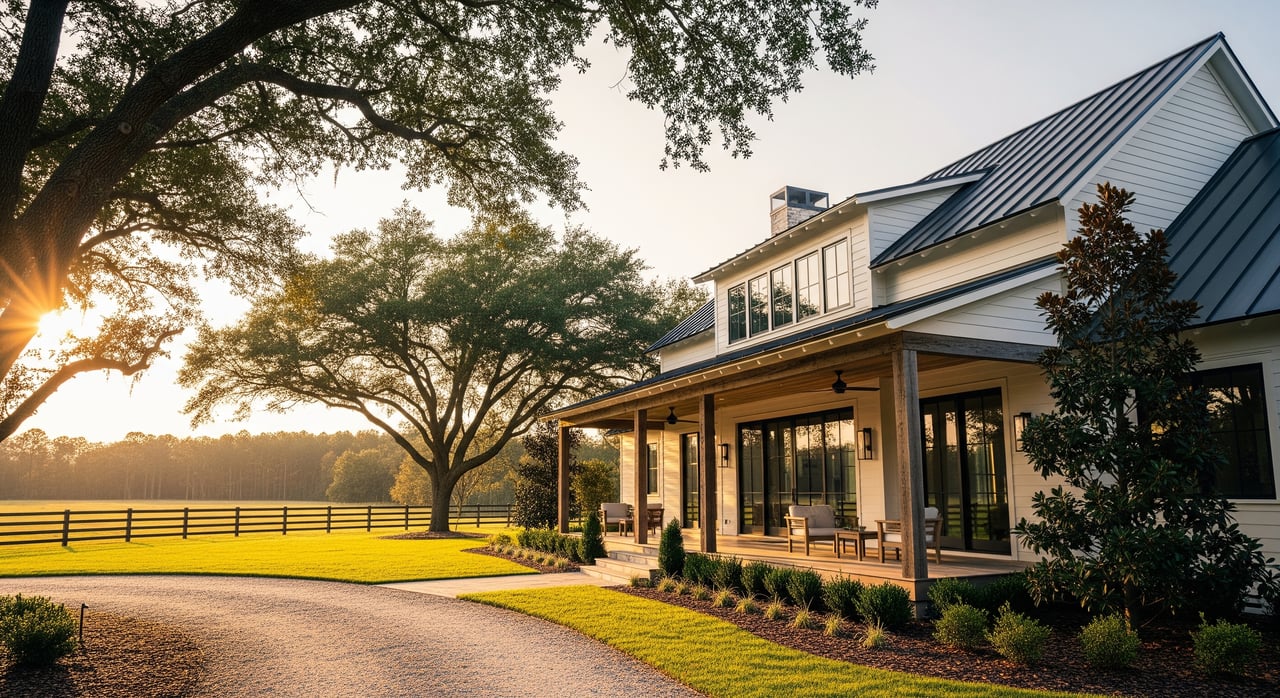
Thinking about trading a small Houston yard for a few Magnolia acres? You are not alone. Many buyers want more space, privacy, and a closer connection to the outdoors while staying within reach of major job centers. In this guide, you will see what a typical day on Magnolia-area acreage looks like, from commutes and school runs to wells, septic systems, livestock, and land chores. You will also get a practical checklist to help you shop with confidence. Let’s dive in.
What “close-in country” means
Magnolia sits in western Montgomery County on the northwest edge of the Houston metro. Many acreage neighborhoods are in unincorporated areas or within the city’s extraterritorial jurisdiction. You will find properties from about 1 acre to 20 acres or more.
The draw is the rural feel at a shorter drive to The Woodlands, Conroe, and northwest Houston than you would face in more distant counties. Since the pandemic, interest in land and home offices has grown as buyers trade some urban amenities for larger yards and breathing room. If schools matter to you, Magnolia ISD serves most of the area. Always verify attendance zones and bus routes with the district and review county permitting if you plan to build or add structures.
Morning commutes and school runs
Commute patterns
Most residents drive to work, school, and errands. Public transit is limited for rural addresses. Commute times vary by your exact location and destination, and they stretch during peak rush hours across the Houston region. Many people head to The Woodlands or Conroe for jobs and services, while downtown Houston drives are longer. Test your route during your usual commute window before making a decision.
School logistics
Magnolia ISD bus routes cover rural roads, but stop times can be longer than suburban routes. If you are considering private or parochial schools, many options are in The Woodlands and Conroe. Daycare can be farther from rural pockets. Plan pickup and drop-off windows that account for distance, weather, and occasional road work.
Errands and shopping
You will find basic retail and dining in the Magnolia town center. For big-box stores, specialty medical, and broader dining and entertainment, you will likely drive to The Woodlands or Conroe. Many acreage owners plan weekly grocery and supply runs and buy in bulk to reduce trips.
Utilities you will manage
Water and septic basics
Many acreage homes rely on a private well and on-site sewage (septic) system. Both require licensed installation and periodic maintenance. You will need to pump a septic system every few years depending on household size and system type. For wells, test water quality and capacity and budget for filters or treatment if needed. If you plan to irrigate a garden or pasture, confirm the well’s yield and pump capacity.
Power, propane, and outages
Electric service is standard, and some homes use propane for ranges or backup heat. Rural restoration times after storms can be longer than in dense suburbs. If you rely on electric gates or well pumps, consider backup plans for short outages.
Trash, internet, and mail
Trash and recycling service can vary by road and neighborhood. Some areas use private haulers or central drop points. Internet coverage differs by address. Some close-in parcels have cable or fiber at the road, while others use DSL, fixed wireless, or satellite. Confirm providers and upload/download speeds for the specific address, especially if you work from home. Rural route mailboxes are common. Ask your carrier about package delivery options for larger items.
Health and emergency access
Routine care and urgent care clinics are available in nearby suburbs, while major hospitals and specialists are typically in The Woodlands or Conroe. Fire and EMS response times can be longer for acreage properties and can depend on your Emergency Service District, the local volunteer fire department, and how accessible your property is. Gated driveways and long private roads can slow responders. Ask which ESD and department covers a property and how that coverage influences insurance.
Land and animals 101
Daily and seasonal chores
Expect steady upkeep. Typical chores include mowing pastures, managing brush, trimming trees, repairing fences, grading driveways, and caring for ponds if you have one. In spring and summer, mowing and weed control ramp up. Before storm season, trim trees and secure outbuildings. In fall and winter, focus on equipment maintenance and drainage checks.
Equipment basics
Many acreage owners keep a small utility tractor or zero-turn mower, a trailer, and basic farm tools. Storage matters. Plan for barns or metal buildings and a place to service equipment. If you prefer a low-maintenance setup, you can still expect periodic brush control, driveway work, and fence repair.
Livestock and rules
Horses, goats, and chickens are common on 1 to 10 acre parcels. Even in unincorporated areas, confirm what is allowed before you buy. Rules can come from county regulations, city limits, or HOA and deed restrictions. If animals are part of your plan, you will need secure fencing, shelter, water access, and a manure management routine. Large-animal veterinary services are available in nearby towns.
Wildlife and pests
The Piney Woods environment brings deer, coyotes, raccoons, armadillos, and songbirds, as well as feral hogs in some areas. Mosquitoes are seasonal, and ticks can be present near tall grass and woods. Management strategies vary by species. If wildlife pressure is new to you, talk with neighbors and consider professional guidance for exclusion and control.
Firewise and insurance
Pines and brush can create wildfire risk in dry periods. Creating defensible space, maintaining fuel breaks, and keeping vegetation trimmed reduces exposure. Insurers may consider your distance to a fire station, water access for firefighting, and the local fire district’s rating when pricing your policy. Ask your agent how mitigation on the property can help.
Money and rules to know
Property taxes and ag valuation
Property taxes in Texas are assessed locally by the county appraisal district and paid to multiple jurisdictions, such as the county and school district. Some acreage can qualify for an agricultural or wildlife management valuation that reduces taxable value if the land meets specific use and acreage requirements. You must apply and meet the use test. Review the rules with the Montgomery County Appraisal District and the Texas Comptroller before you rely on any tax savings.
Insurance realities
Homeowners insurance for rural properties may need endorsements for wildfire, wind, or sewer backup. Flood insurance is a separate policy. Even if a lender does not require it, review floodplain status and consider coverage based on your risk tolerance. Confirm how access, water sources, and fire protection influence premiums and availability.
Permits and roads
Most building projects, including barns, metal buildings, or additions, require county or city permits. Well and septic installations need permits and inspections. For private roads or gated driveways, confirm who maintains the road, how maintenance is funded, and how emergency responders can access your property.
HOAs and deed restrictions
Some acreage subdivisions have HOAs with rules on materials, setbacks, animals, and accessory structures. Others are far less restrictive. Do not assume. Read the deed restrictions and any plat notes early in your search to avoid surprises.
Buying due diligence
Acreage deals often include unique details. Confirm easements, mineral rights and any leasing status, as well as surface use agreements that could affect your plans. Order a current survey, review boundaries and fences, and check water rights or pond use rules if relevant. Ask about prior drainage easements and any history of flooding.
Community and lifestyle tradeoffs
Privacy and space are key benefits. Nights are quieter, stars are brighter, and you get more room between neighbors. That said, neighbors are still nearby and rural noise like tractors, ATVs, or barking dogs can happen. Longer distances can also make spontaneous get-togethers less frequent.
Recreation often happens on your own land or on nearby private property with permission. You will find riding, hiking, fishing in ponds, and local community events, along with organized entertainment, gyms, and sports in The Woodlands or Conroe. The tradeoffs come down to time, independence, and cost. Chores take time. Weekly planning for gas, groceries, and supplies helps. You may learn basic equipment repair or hire out more tasks. While land cost per square foot can be lower, utilities, equipment, maintenance, and insurance all add up.
Quick buyer checklist
- Drive your commute during morning and evening peaks from the specific address you are considering.
- Verify Magnolia ISD attendance zones and bus routes, and confirm daycare logistics if needed.
- Confirm utilities: public water/sewer or well/septic; electric provider; internet options and speeds.
- Check city limits, county rules, HOA/CCRs, and plat notes for animals and building limits.
- Identify your fire and EMS provider, typical response times, and any volunteer coverage.
- Review FEMA flood status and ask an insurance agent for an address-specific quote.
- Confirm current tax rate, any agricultural valuation, and appraisal history with the county.
- Order a current survey and review title for mineral reservations and easements.
- Schedule professional inspections for the well, septic system, roof, foundation, and outbuildings.
- Ask neighbors about wildlife, feral hogs, drainage, and hunting activity nearby.
Ready to explore Magnolia acreage?
If you are weighing the move to a Magnolia-area property, a clear plan and the right team make all the difference. Our farm and ranch focus, acreage-specific marketing, and local transaction experience help you compare parcels, understand utilities and restrictions, and buy with confidence. When you are ready to walk land, evaluate improvements, or price your current property, reach out to Coldwell Banker Properties Unlimited. Get a Free Property Valuation and practical guidance tailored to your goals.
FAQs
Is commuting from Magnolia acreage to The Woodlands realistic?
- Yes, many residents commute to The Woodlands, but times vary by exact address and rush hour traffic. Test your route during peak hours to confirm.
What should I know about wells and septic on Magnolia acreage?
- Most rural parcels use a private well and septic system that require licensed installation, periodic testing, and routine maintenance like septic pumping.
How do property taxes and ag valuation work in Montgomery County?
- The county appraisal district assesses property; qualifying agricultural or wildlife use can reduce taxable value if you apply and meet use and acreage rules.
What internet options exist for rural Magnolia addresses?
- Coverage differs by address. Some areas have cable or fiber, while others use DSL, fixed wireless, or satellite. Confirm providers and speeds before you buy.
Are livestock allowed on 1 to 5 acre Magnolia parcels?
- Often yes, but rules depend on county regulations, city limits, and any HOA or deed restrictions. Verify animal limits and setbacks for each property.
How does emergency response work for rural properties near Magnolia?
- Response times depend on your Emergency Service District and local staffing. Gated entries and long driveways can slow access, so plan for clear entry.
What wildlife and pests should I expect on Magnolia acreage?
- Deer, coyotes, raccoons, armadillos, and sometimes feral hogs are common. Mosquitoes are seasonal. Use fencing, habitat management, and prevention as needed.