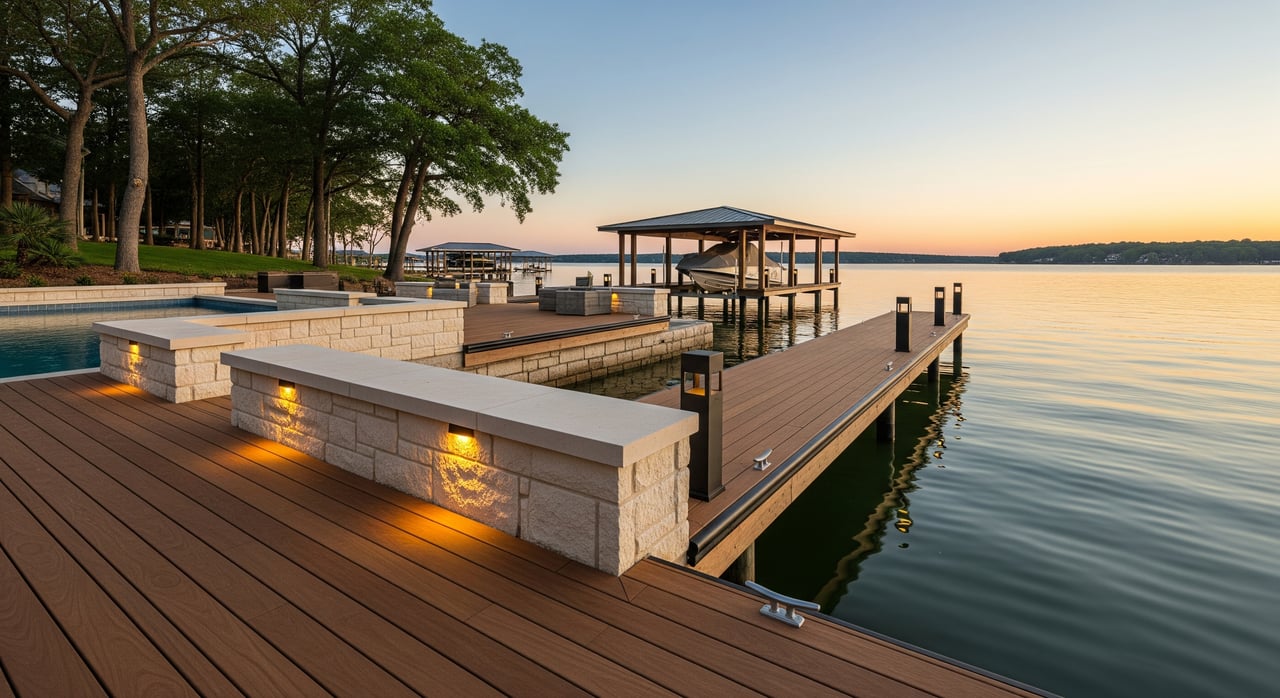
Planning a new bulkhead or dock on Lake Conroe can feel exciting until you hit permits, surveys, and design choices. You want a durable, good-looking shoreline that adds value without risking delays or rework. In this guide, you will learn who permits lake work in Montgomery, what to submit, how to pick materials, and how to keep your timeline on track. You will also get a simple checklist you can use right away. Let’s dive in.
Know who permits Lake Conroe work
Before you sketch a layout or call a contractor, confirm who regulates your project. The San Jacinto River Authority is the primary authority for structures that touch the water, shoreline, or lakebed on Lake Conroe. The City of Montgomery or Montgomery County may also require building, floodplain, drainage, or right-of-way permits. Your HOA or deed restrictions can add design rules or setbacks.
Most shoreline parcels have private property rights that stop at or near the ordinary high water line. The lakebed is typically managed by the San Jacinto River Authority, so even on a private lot you usually need SJRA permission for anything that extends lakeward or alters the shoreline. Plan for both SJRA and local approvals before any construction begins.
Permits: what to submit
Expect a two-track process: an SJRA encroachment or permit and any required city or county permits. Submitting complete, coordinated documents helps you avoid review delays. Typical submittals include:
- Completed SJRA application and fee.
- A current boundary and topographic survey showing property lines, the ordinary high water line, and the proposed footprint.
- A detailed site plan with dimensions, setbacks, distances from neighboring structures, and construction access points.
- Engineered drawings stamped by a Texas licensed professional engineer for many bulkheads and some dock types.
- Construction methods and sequence, including pile installation and any cofferdam or dewatering plan.
- An erosion control and drainage plan that protects the shoreline and prevents undermining behind the wall.
- Proof of contractor insurance and any bonds required.
- Final as-built survey or engineer certification after construction.
Do not mobilize equipment until you have written approvals in hand. Keep copies of permits and approvals in your property file.
Survey and soils: why they matter
A licensed boundary and topographic survey is essential. It should show lot corners, easements, the ordinary high water line, existing shoreline structures, and grades to the water. Accurate stakeout helps you avoid encroaching on neighboring property or restricted areas.
Lakefront soils vary from soft clays to sands, and that affects design. A geotechnical investigation with borings is recommended for vertical bulkheads and deep piles. The data informs embedment depths, scour protection, and fastener or connection choices. It also helps you budget with fewer surprises.
Bulkhead options: pros and cons
Choosing the right shoreline protection depends on bank height, exposure to wind and boat wake, budget, and maintenance goals. Here are common options and tradeoffs.
Timber bulkhead
- Pros: Lower initial cost and simpler installation.
- Cons: Shorter lifespan and more maintenance, especially with water exposure and pests.
Steel or vinyl sheet pile
- Pros: Long service life, thin profile, and strong performance for higher banks.
- Cons: Higher material and installation costs. Requires pile driving equipment and engineered design, plus corrosion protection for steel.
Concrete wall
- Pros: Robust and long lasting for heavily engineered sites.
- Cons: Highest cost and most complex to build.
Riprap revetment
- Pros: Effective wave energy dissipation and low maintenance when detailed correctly.
- Cons: Requires more footprint and may involve additional lakebed disturbance.
No matter the wall type, plan for toe protection, proper drainage behind the wall, and measures that handle wave and wake forces common on Lake Conroe.
Dock types and materials
Your dock should match your water depth, exposure, and how you plan to use it.
Floating docks
- Pros: Rise and fall with lake level and are often quicker to install.
- Cons: Less stable for heavy loads and may face restrictions near navigation areas.
Pile-supported fixed docks
- Pros: Durable, solid feel, and ideal for shallow slopes.
- Cons: Require pile driving and, in many cases, engineered design.
Framing and decking choices
- Treated timber offers a classic look and lower upfront cost, with a typical service life that depends on treatment and exposure.
- Aluminum framing resists corrosion and reduces maintenance.
- Composite decking cuts down on refinishing and offers consistent performance in sun and splash zones.
When planning lifts, storage, or larger gatherings, confirm the dock’s structural capacity and live load assumptions in the engineered drawings.
Smart design details that pay off
Strong designs are built on small details that extend service life and reduce maintenance.
- Include toe protection to limit scour at the base of a wall.
- Add weep holes and subdrains to relieve pressure behind the wall.
- Direct roof and yard runoff so it does not discharge at the wall toe.
- Choose fasteners and connections that stand up to freshwater exposure.
- Plan safe access with ramps or stairs and protect any in-water work with turbidity controls during construction.
- If adding utilities for lifts or lighting, coordinate conduit routes early to avoid conflicts with piles or drainage.
Inspections and closeout
Expect stakeout verification before construction to confirm location and elevations match approved plans. During the work, periodic inspections may occur for operations like pile driving or in-water activities. Keep daily logs and photo records of key steps, including embedment depths.
At the end, plan for a final inspection and an as-built survey or engineer certification that confirms compliance with approved drawings. Retain all permits, engineered plans, testing reports, and as-builts. These records are helpful for future maintenance and can support disclosures during a sale.
Timeline and scheduling tips
Shoreline projects move faster when you start early and stack tasks in the right order.
- Contact the San Jacinto River Authority and local permitting offices early to confirm current checklists and review times.
- Allow 2 to 4 weeks for surveys and any geotechnical borings before you submit applications.
- Submit SJRA and local applications together when possible to shorten the overall path.
- Contractor schedules are a constraint, especially for pile rigs and marine crews. Book early.
- Weather and lake levels can pause in-water work. Target historically calmer periods and monitor operational guidance.
- If you plan to list your home, finish construction and permit closeout before marketing if the new shoreline work is a selling feature.
Avoid these common pitfalls
- Starting work before permits are issued can trigger stop-work orders, fines, and costly rework.
- Using an outdated or incomplete survey increases the risk of encroachment and redesign.
- Skipping geotech on a vertical wall can lead to under-embedded piles or redesign midstream.
- Forgetting drainage behind the wall shortens service life due to piping and pressure.
- Hiring contractors without Lake Conroe experience can slow inspections and quality checks.
- Overlooking HOA or deed restrictions can result in enforcement even if you have government permits.
Step-by-step checklist
Use this short list to keep your project moving.
- Call SJRA to confirm the current application checklist and submittal items.
- Hire a licensed surveyor for a boundary and topographic survey that shows the ordinary high water line and easements.
- Decide whether engineered drawings and geotechnical borings are needed. Engage a Texas P.E. and geotech team as required.
- Confirm City of Montgomery or Montgomery County permits and any floodplain rules. Secure HOA approval if applicable.
- Get multiple bids from experienced Lake Conroe marine contractors. Verify insurance and ask for Lake Conroe references.
- Submit SJRA and local permit applications with complete documentation.
- After permits are issued, schedule construction and required inspections. Keep daily logs and photos.
- Complete final inspection and provide the as-built survey or engineer certification. File all documents for your records.
Working with the right team
Designing shoreline structures is a specialized process. When you bring in licensed surveyors, engineers, and contractors with Lake Conroe experience, you set up your project for fewer surprises and a longer service life. Clear plans, complete submittals, and proactive scheduling protect your budget and your timeline.
If you are buying or selling a Lake Conroe property, consider how shoreline condition, permits, and closeout status can influence value and days on market. Coordinating improvements with your listing or purchase timeline can help you avoid last-minute delays.
Ready to plan your shoreline project?
You do not have to navigate this alone. If you want to understand how a new or repaired bulkhead or dock could impact your property’s value or your sale timeline, our team can help you plan a clear path to closing. Get a Free Property Valuation from Coldwell Banker Properties Unlimited and move forward with confidence.
FAQs
Do I need an SJRA permit for a Lake Conroe dock or bulkhead?
- If your structure touches the shoreline, extends over the water, or sits on the lakebed, SJRA permission is typically required. Always confirm before you begin work.
How long does permitting take on Lake Conroe?
- Timelines vary. Plan several weeks for surveys and any geotech plus additional time for SJRA and local reviews, including potential revisions.
Which bulkhead material lasts the longest on Lake Conroe?
- Sheet pile systems and concrete walls typically offer longer service life than untreated timber. Vinyl sheet pile avoids corrosion, while steel needs protection.
Do I need engineered drawings for a bulkhead in Montgomery?
- Many vertical bulkheads and pile-supported docks require engineered drawings stamped by a Texas licensed professional engineer. SJRA and local officials will specify what is required.
Who owns the lakebed at my waterfront lot on Lake Conroe?
- The lakebed is managed by the San Jacinto River Authority. Private property rights along the shoreline often stop at the ordinary high water line, which your survey should show.