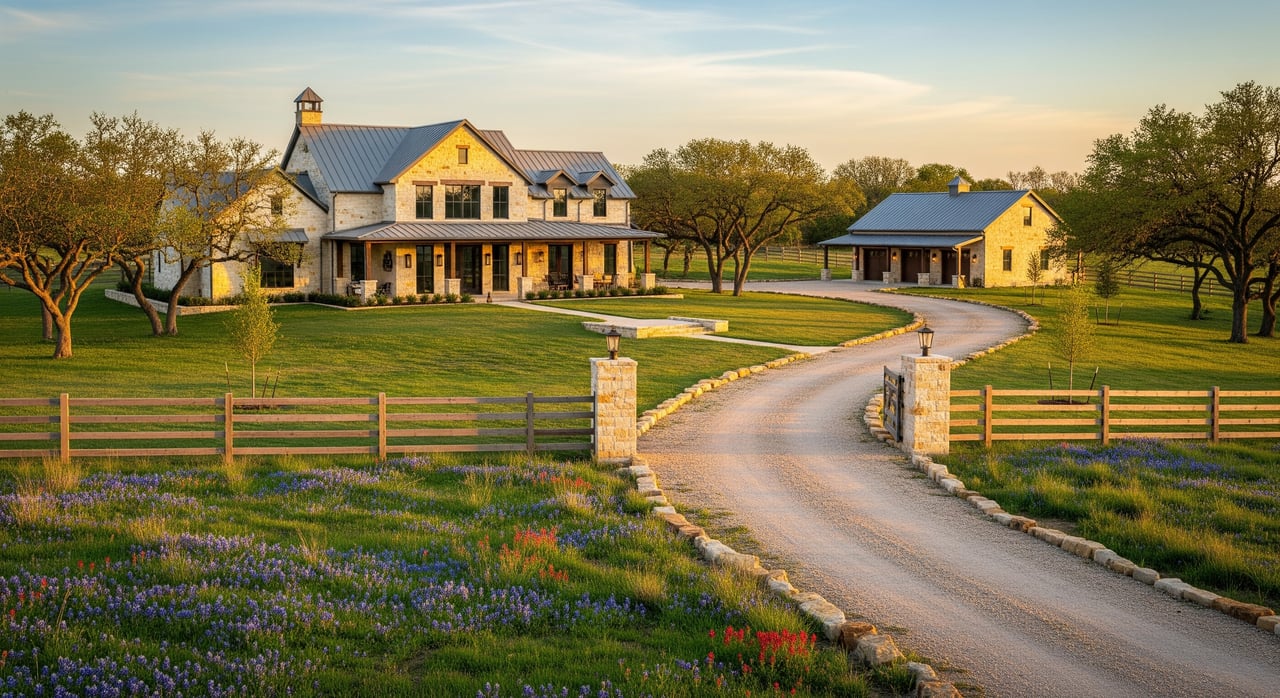
Torn between room to roam and the ease of a neighborhood? In Waller, you can choose acreage for privacy and possibilities or a subdivision for convenience and community. You want the right fit for your lifestyle, budget, and long-term plans. In this guide, you will compare real costs, utilities, maintenance, and resale tradeoffs so you can move forward with confidence. Let’s dive in.
Why Waller buyers compare both
Waller County sits on the northwestern edge of the Houston metro. That means your choice often comes down to how you balance commute routes with lifestyle goals. Subdivisions closer to major corridors like US 290, I-10, and SH 6 tend to attract commuters who want predictable costs and amenities. Acreage farther out draws buyers who want space for hobbies, livestock, or privacy.
Because conditions can change from one road to the next, parcel-level checks matter. Taxes, flood risk, utilities, and even road maintenance can vary across the county. A focused look at each property will help you avoid surprises.
Cost differences to expect
Purchase price patterns
Subdivision homes usually price on a price-per-square-foot basis with tighter comparable sales. They often sell faster because there is a broader buyer pool. Acreage is more variable. Land, improvements, and usable acres drive value, so pricing often looks like land value plus home and outbuildings.
Taxes and ag appraisal
Texas property taxes are set by several taxing entities and applied to your appraised value from the local appraisal district. Some acreage can qualify for an agricultural or open-space appraisal based on the land’s use, not the owner. If you qualify, your taxable value may be reduced, which can lower your bill. If the land use changes, rollback taxes can apply. Always confirm current status and requirements with the Waller County Appraisal District and Texas Comptroller guidance.
Insurance and flood risk
Subdivision homes often fit standard homeowners policies, though wind and hail coverage varies by insurer. Acreage can add complexity because of barns, equipment, or guest liability. Flood insurance is required by lenders if a property is in a FEMA-designated flood zone. You can verify a property’s status using the FEMA Flood Map Service Center. Try searching the address on the FEMA map before you write an offer.
- Check flood status at the FEMA Flood Map Service Center.
Financing and loan options
Conventional, FHA, and VA loans work for both settings, but very large tracts or extensive outbuildings can create appraisal and underwriting questions. Rural properties in eligible areas may qualify for USDA Rural Development loans, which can offer low or zero down for qualified buyers and homes.
- See property and income eligibility on the USDA Rural Development eligibility map.
For acreage, lenders often ask for extra documentation, such as a survey, well flow test, and septic inspection. Build time and cost for those inspections into your plan.
HOA and fees
Subdivision homes may include HOA dues that support amenities, private roads, and common areas. Acreage often has no HOA, but you may need to budget for private road grading, driveway repair, fencing, and gates. If the property is part of a rural subdivision, shared road fees may still apply.
Utilities and infrastructure
Water and sewer basics
Subdivision: Typically municipal or MUD water and sewer with standard monthly billing.
Acreage: Often a private well and septic system. Wells require periodic testing and occasional pump repairs. Septic systems typically need pumping every 3 to 5 years depending on use. The EPA offers practical guidance on care and maintenance.
Learn septic basics from the EPA’s septic system guidance.
Power and energy
- Subdivision: Standard electric service and sometimes natural gas.
- Acreage: Line extensions, transformer distance, and meter placement can add initial costs. Some properties use propane or pair solar with a generator. Ask the local electric provider about connection costs before you make an offer.
Internet and cell service
Subdivision: Cable, DSL, or fiber is more common.
Acreage: You may rely on fixed wireless or satellite in some areas. Coverage and speeds vary by exact location. Confirm real-world speeds with neighbors and the FCC map.
Check options on the FCC Broadband Map.
Roads and driveway care
- Subdivision: City or HOA-maintained streets are typical.
- Acreage: You may maintain your driveway and, in some cases, share responsibility for private roads. After heavy rains, gravel grading and culvert care can be recurring costs. Confirm whether the county maintains the road that fronts the property.
Land care and safety
Acreage requires regular mowing, brush control, fence installation and repair, and tree work. Ponds and drainage features may need attention. The Texas A&M AgriLife Extension Service provides education on land and pasture management that can help you plan for ongoing care.
- Explore management tips from Texas A&M AgriLife Extension.
Resale and marketability
Buyer pools
Subdivision homes appeal to a wide range of buyers, including first-time buyers, families, and investors. They often sell faster and have clearer appraisal paths. Acreage attracts a more specific buyer who values space, livestock, or recreation. That smaller pool can mean longer market times.
What drives acreage value
Usable acres, access, fencing, water sources like ponds, and the absence of encumbrances or floodplain issues are key. Proximity to major roads and services helps. Clear documentation on well and septic maintenance, surveys, easements, and any ag appraisal status builds buyer confidence.
Subdivision resale benefits
Neighborhood comparables simplify pricing and appraisal. Proximity to amenities and commute routes adds value. Consistent finishes and standardized features also help appraisers and buyers align on value.
Decide what fits your goals
Quick decision checklist
Rate each item 1 to 5 for importance, then mark which option aligns best for you.
- Commute time and road access
- Space and privacy needs
- Upkeep tolerance and time
- Utility reliability and internet needs
- Budget sensitivity to taxes and maintenance
- Resale speed and liquidity
If commute, low maintenance, and resale speed rank highest, a subdivision may fit. If land use, privacy, and flexibility top the list, acreage may be right.
Monthly cost examples (illustrative)
These scenarios show how costs can stack up. Replace with current local numbers from lenders, the appraisal district, insurance agents, and utility providers.
Subdivision home example, $350,000 purchase price (illustrative)
- Mortgage principal and interest at 6.5% with 20% down: about $1,770 per month
- Property taxes at 2.5% of value: about $730 per month
- Homeowners insurance: about $100 per month
- HOA dues: about $50 per month
- Utilities: about $250 per month
- Maintenance reserve: about $150 per month
- Approximate total: about $3,050 per month
Acreage example, 10 acres with home at $550,000 purchase price (illustrative)
- Mortgage principal and interest at 6.5% with 20% down: about $2,780 per month
- Property taxes at 2.5% of value: about $1,145 per month
- Homeowners insurance: about $150 per month
- Road share or private road reserve: about $75 per month
- Utilities and propane: about $300 per month
- Well and septic reserve: about $75 per month
- Land care reserve: about $200 per month
- Approximate total: about $4,725 per month
These are examples only. Your numbers will vary based on location, rate, down payment, exemptions, and property condition. Ask your lender for a payment estimate and request quotes from local insurance agents early.
Due diligence checklist
Before you write an offer, verify these items based on the specific address.
- Current appraised value, exemptions, and taxing entities with the appraisal district
- Recorded deeds, easements, and right-of-way with the county clerk
- Floodplain status and any base flood elevation on the FEMA Flood Map Service Center
- Road maintenance responsibility with the county engineer or public works
- Water and sewer provider if in a MUD or city limits
- Electric provider availability and any line extension costs
- Internet options via the FCC Broadband Map
- Well inspection and water test; septic inspection and pumping per EPA septic guidance
- Survey and boundary verification; fence alignment and encroachments
- If you plan livestock or pasture, consult Texas A&M AgriLife Extension for management guidance
- If you seek zero-down or low-down financing, check USDA eligibility
How we can help locally
Choosing between acreage and subdivision living in Waller is easier when you have a clear plan and the right data. You deserve local expertise that understands ag appraisal, wells and septic, private roads, and the realities of land care. You also want a team that can price and position a neighborhood home for strong resale.
Coldwell Banker Properties Unlimited specializes in farm and ranch, country estates, and exurban residential sales across Waller County. Our team pairs on-the-ground knowledge with national marketing reach to help you compare options, validate the numbers, and move with confidence. Ready to talk your goals and next steps? Get a Free Property Valuation from Unknown Company.
FAQs
What are the biggest cost differences in Waller between acreage and subdivision homes?
- Subdivisions often have HOA dues but lower land upkeep, while acreage adds land care, well and septic maintenance, and sometimes road or driveway costs. Insurance, taxes, and utilities vary by property.
How do agricultural or open-space appraisals affect taxes on Waller acreage?
- If acreage qualifies based on use, taxable value may be reduced, which can lower your annual bill; changing land use can trigger rollback taxes, so confirm details with the appraisal district and Texas Comptroller guidance.
What should I inspect on wells and septic before buying acreage in Waller?
- Order a well flow test and water-quality test, plus a full septic inspection and pump-out; review maintenance history and factor potential repairs into your budget.
How do I check flood risk for a Waller property before I make an offer?
- Search the address on the FEMA Flood Map Service Center; if the home is in a flood zone and you use a mortgage, lenders will require flood insurance.
Can I use a USDA loan to buy a rural Waller property?
- Many Waller-area properties are eligible; verify address and income on the USDA eligibility map and ask your lender about program requirements.