Trying to choose between a Montgomery ranchette and a Lake Conroe community? You are not just picking a house. You are choosing how you want to live day to day, what rules you can live with, and what kind of property will fit your plans long term. In Montgomery, those two paths can feel very different, so it helps to compare them side by side before you make a move. Let’s dive in.
Why This Choice Matters in Montgomery
Montgomery sits about 15 miles west of Conroe and roughly 50 miles northwest of Houston, which gives buyers access to both small-town surroundings and a wider regional job market. The area also offers two distinct property styles: country acreage and lake-oriented neighborhoods. According to the City of Montgomery, that local setting is a big reason buyers often narrow their search to either ranchettes or Lake Conroe communities.
That matters because these properties are not interchangeable. A ranchette usually centers on land use, privacy, and flexibility. A lake community usually centers on water access, shared amenities, and neighborhood structure.
What a Montgomery Ranchette Offers
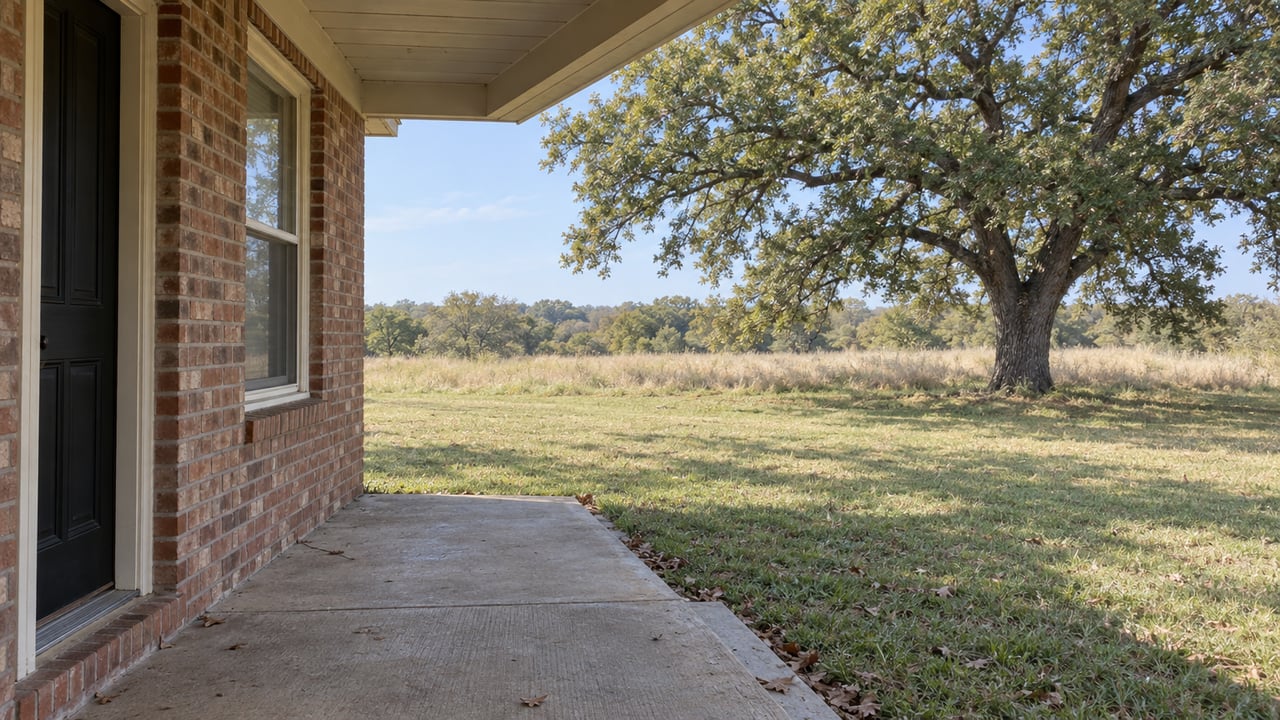
A ranchette is usually the better fit if you want room to spread out. In Montgomery, that often means small acreage, more distance between neighbors, and more freedom for outdoor use, outbuildings, gates, trailers, or animals, depending on the property restrictions.
The biggest draw is flexibility. Some acreage properties in the Montgomery area have been marketed with no HOA, no POA dues, or very limited restrictions. That can be a major plus if you want a barn, workshop, extra parking, or space for hobby use.
Ranchette Lifestyle Benefits
A ranchette may appeal to you if you want:
- More privacy
- Usable land for recreation or projects
- Space for barns, sheds, or detached buildings
- Fewer shared neighborhood rules
- Potential agricultural use
For many buyers, the lifestyle is the point. You are not paying for marina access or community amenities. You are paying for land, breathing room, and the ability to use the property in a way that fits your goals.
Ranchette Trade-Offs
That flexibility can come with fewer guardrails. If an acreage property has no HOA or only light restrictions, the neighboring parcels may also have a wider range of uses and appearances.
Texas counties generally do not have broad zoning authority, so outside city limits, deed restrictions and property documents often carry more weight. The Texas Property Code framework helps explain why subdivision restrictions matter so much in these areas.
What a Lake Community Offers
If your vision of home includes boating, shoreline views, or easy access to the water, a Lake Conroe community may be the better fit. Lake Conroe is a 20,118-acre reservoir, and the lake lifestyle is a major draw for buyers looking for recreation-focused living. The Texas Parks and Wildlife Department notes that the lake has public access points and privately operated marinas, which supports that active, water-based lifestyle.
Lake communities often offer a more defined neighborhood experience. Depending on the subdivision, that may include marina access, boat-launch access, maintained common areas, or other shared amenities.
Lake Lifestyle Benefits
A lake community may be the better choice if you want:
- Boating and water recreation nearby
- Waterfront or water-oriented living
- Community amenities
- A more structured neighborhood setting
- A property with a clear lifestyle story for future resale
For some buyers, the convenience is worth it. Instead of creating your own country setup, you are buying into an established environment built around lake access and recreation.
Lake Community Trade-Offs
In most cases, lake communities come with more rules and fees. HOA requirements are often mandatory, and annual maintenance fees may apply.
On waterfront property, lake access is also more regulated than many buyers expect. The San Jacinto River Authority says residential docks, boat slips, bulkheads, marinas, and shoreline modifications are regulated, and waterfront owners do not automatically have the right to build private structures without permits or licenses.
Rules and Restrictions to Compare
One of the biggest differences between ranchettes and lake communities is how much oversight comes with the property. Before you fall in love with either one, compare the actual rules, not just the photos.
Ranchette Rules
Acreage properties can range from no restrictions to moderate deed restrictions. That means you need to verify what is allowed on that specific parcel, especially if you want animals, a shop, equipment parking, or future improvements.
If the property is inside the City of Montgomery, city permits and ordinances may apply differently than they would in unincorporated Montgomery County. That distinction can affect construction plans, land use, and animal allowances.
Lake Community Rules
Lake-oriented subdivisions are usually more rule-heavy. In addition to HOA documents, a waterfront buyer may need to understand permit or license obligations tied to docks, bulkheads, and shoreline changes.
The SJRA residential structure licensing guidance makes this especially clear. It states that private structures on Lake Conroe require approval, annual fees are assessed, and SJRA is not obligated to maintain a specific lake level to support private structures.
Boat Access vs Livestock Potential
This is often the clearest dividing line.
If you want easy boating access, a lake community is usually the better fit. The lake has public ramps and marina options, and many buyers specifically want private launch access or a neighborhood tied to waterfront recreation. You can review Lake Conroe access information from TPWD to understand the public access side of that equation.
If you want horses, goats, or other farm animals, a ranchette may make more sense. The City of Montgomery has specific rules for farm animals, including minimum lot size standards and setback requirements for animal structures. The city ordinance allows cows, horses, sheep, goats, and similar animals only on lots of at least one acre, with the animal structure set at least 50 feet from property lines, according to the City of Montgomery ordinance materials.
Thinking About Ag Valuation
Some acreage buyers also ask about agricultural tax treatment. The Texas Comptroller explains that qualifying farm and ranch land may be appraised based on productivity value rather than market value, but the land must meet use requirements and a change to non-agricultural use can trigger rollback tax.
That does not automatically make every ranchette an ag-use property. It simply means you should confirm current status, history, and future eligibility before you rely on that benefit.
Resale Value Depends on Buyer Type
In Montgomery, resale is not just about square footage or finishes. It is also about lifestyle match.
According to HAR’s May 2025 Montgomery market update, the area had 6.62 months of inventory, 44 average days on market, a 97.1 percent sold-to-list ratio, and a median sold price of $392,700. That HAR market update points to a more balanced market, which makes property positioning even more important.
Lake Community Resale
Waterfront and water-oriented homes often benefit from scarcity. Zillow reported that waterfront properties account for only about 0.4 percent to 0.6 percent of annual property transactions nationally, and they have historically sold at a premium.
Still, scarcity alone does not guarantee an easy sale. Buyers in this category tend to pay close attention to dockability, permit status, HOA costs, and what kind of water access is actually usable.
Ranchette Resale
Acreage properties appeal to a different buyer pool. Buyers often focus on usable land, privacy, outbuildings, livestock potential, and fewer restrictions.
That pool may be more niche, but it is often highly motivated. If your property clearly delivers the lifestyle those buyers want, it can stand out well when priced and marketed correctly.
Questions to Ask Before You Choose
If you are deciding between a ranchette and a lake community, these questions can help clarify the right fit:
- Do you want boating access or land flexibility more?
- Are you comfortable with HOA dues and neighborhood rules?
- Do you need room for animals, equipment, or detached buildings?
- Would you rather have shared amenities or more privacy?
- Is the property inside the City of Montgomery or outside city limits?
- If waterfront, are the dock or bulkhead features permitted and transferable?
- If acreage, are the restrictions loose enough for your intended use?
These questions may seem simple, but they can save you from buying the wrong property for your lifestyle.
Due Diligence Matters Most
No matter which path you prefer, the paperwork matters. In Montgomery, buyers should carefully review:
- Deed restrictions or CC&Rs
- HOA rules and budget, if applicable
- SJRA permit or license obligations for waterfront structures
- City or county rules affecting the parcel
- Current and intended land use
This is especially important in a market where one property may offer broad freedom and the next may come with detailed limitations. The right choice is not about which option is better overall. It is about which one fits the way you actually want to live.
If you are weighing acreage against lake living in Montgomery, working with a team that understands land, restrictions, and lifestyle-driven resale can make the process much clearer. Coldwell Banker Properties Unlimited helps buyers and sellers navigate country property decisions with practical guidance, local knowledge, and a full-service approach.
FAQs
What is the main difference between a Montgomery ranchette and a Lake Conroe community?
- A Montgomery ranchette usually offers more land, privacy, and flexibility for outdoor use, while a Lake Conroe community usually offers water access, shared amenities, and more structured neighborhood rules.
Are HOA rules more common in Montgomery lake communities?
- Yes. Lake communities are typically more likely to have mandatory HOA membership, annual fees, and rules related to property use, appearance, and waterfront access.
Can you build a private dock on Lake Conroe waterfront property?
- Not automatically. SJRA says private waterfront structures such as docks and bulkheads require permits or licenses, and approval depends on the specific property and planned use.
Can you keep livestock on a Montgomery ranchette?
- It depends on the parcel location and restrictions. Inside the City of Montgomery, farm animals are subject to minimum lot size and setback rules, and outside the city, deed restrictions may still limit use.
Does agricultural valuation apply to every Montgomery acreage property?
- No. Texas agricultural valuation depends on qualifying use requirements, history of agricultural use, and continued compliance, so you should verify eligibility before you count on it.
Is resale easier for lake homes or ranchettes in Montgomery?
- Neither is automatically easier. Lake homes and ranchettes appeal to different buyer groups, so resale often depends on pricing, property features, restrictions, and how well the property matches buyer demand.