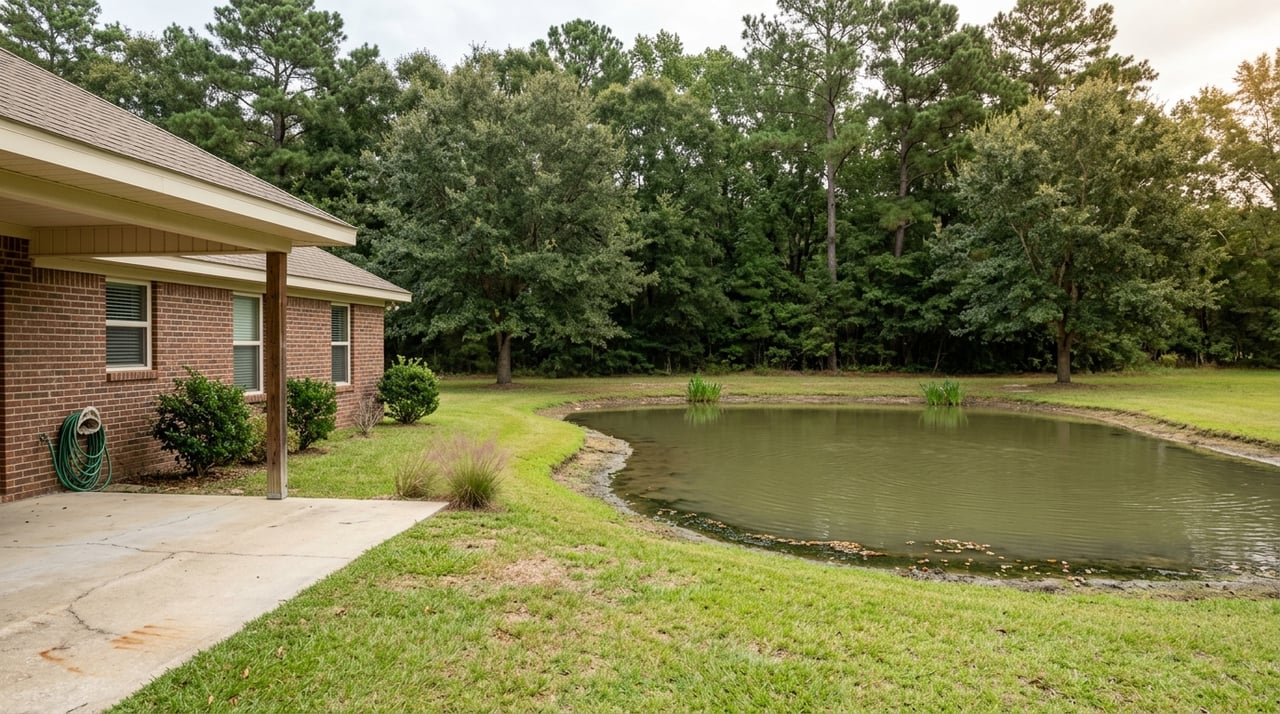
If you are buying a recreational ranch in Grimes County, it is easy to focus on the fun parts first: the pond, the tree cover, the cabin site, or the hunting setup. But the real value of a ranch often depends on details you cannot see from the gate. A careful due diligence plan can help you avoid costly surprises and buy with more confidence. Let’s dive in.
Why due diligence matters
A recreational ranch can serve many goals at once. You may want a weekend retreat, a hunting property, a long-term land hold, or a place with future improvement potential.
In Grimes County, those goals can be affected by access rights, floodplain rules, subdivision requirements, mineral ownership, water use, and property tax valuation. That is why a solid review before closing matters just as much as the land itself.
Check boundaries and legal access first
One of the first things to confirm is whether the ranch you see on the ground matches what is in the records. A fence line, ranch road, gate entrance, or older legal description may not always tell the full story.
Grimes County property records can help you review deeds, easements, subdivision plats, affidavits of heirship, foreclosures, powers of attorney, and other recorded documents. Those records are an important starting point when you want to confirm whether access and boundary-related items were formally recorded.
Compare records to the property
You want the deed, recorded plat if applicable, and actual access route to line up. If a road crosses neighboring land or the entrance appears informal, that should be reviewed carefully before you move forward.
This is especially important for recreational property because access can affect everyday use, future improvements, and long-term resale value. A scenic ranch is much easier to enjoy when your access is clear and documented.
Know who regulates the tract
If the property is near Navasota, jurisdiction matters. Grimes County states that the City of Navasota may regulate subdivision development within the city’s ETJ under an agreement with the county.
That means you should not assume county-only rules apply just because a tract feels rural. Before relying on development or split-potential assumptions, confirm whether the property falls under county rules, municipal ETJ oversight, or both.
Understand plat and driveway issues
Texas law requires a plat in certain cases when land outside a municipality is divided into two or more parts for lots or subdivision use, with the plat recorded at the county clerk. If part of your plan includes dividing the tract later, this is worth checking early.
Grimes County also says driveway locations and spacing must follow its mobility plan, and TxDOT approval is required before new driveways are added on state highways or FM roads. In some plat situations, rear or side driveway access is not allowed. Those details can directly affect how usable a ranch is for current or future plans.
Review mineral rights carefully
A ranch purchase is not just about the surface. In Texas, surface rights and mineral rights can be owned separately, and the mineral estate is dominant.
That matters because a mineral owner or lessee may have rights to use the surface as reasonably necessary for activities such as roads, well sites, pipelines, and drilling-related water use. For a buyer, that can change how private or predictable a recreational property feels over time.
Do not assume minerals transfer
The transfer of mineral rights depends on the deed and any reservations or prior conveyances. The Texas Railroad Commission explains that if a seller does not specifically limit the transfer or retain the minerals, the mineral estate generally comes with the sale.
Still, you should never assume that is the case. Your title review should look closely at mineral reservations, oil and gas leases, easements, and other recorded burdens on the property.
Surface use can affect enjoyment
For a recreational ranch, surface use rights matter as much as ownership on paper. If minerals were previously severed or leased, there may already be rights in place that affect roads, utility corridors, drilling activity, or pipeline placement.
If the property has active or prior energy-related encumbrances, you may also want to understand whether any surface-use or surface-damages agreements exist. This is one of the biggest due diligence items for buyers who want quiet use and predictable land enjoyment.
Separate water features from water rights
Water is often a major part of a ranch’s appeal. A pond, creek, spring-fed area, or existing well can make a property feel more functional and more inviting.
Still, you should treat each water feature as its own diligence item. In Texas, surface water and groundwater are handled differently, and the rules are not interchangeable.
Surface water and groundwater follow different rules
According to TCEQ, state surface water is owned by the state and generally requires state permission to use unless an exemption applies. TCEQ also notes that exempt uses can include domestic and livestock use and wildlife management.
Groundwater is regulated through local or regional groundwater conservation districts. Grimes County is served by the Bluebonnet Groundwater Conservation District, so well-related questions should be reviewed with that local framework in mind.
Check wells, ponds, and crossings early
If the ranch includes a well, pond, creek crossing, culvert, or drainage improvement, ask questions early in the process. These features can affect maintenance, development plans, and future permitting.
Grimes County says a floodplain development permit is required for all development. If you are thinking about a cabin, barn, new driveway, or other improvements near low areas or drainage paths, floodplain review should be part of your early due diligence.
Understand hunting and wildlife management rules
Many buyers looking in Grimes County want a ranch that supports hunting, wildlife viewing, or habitat work. Those uses can add enjoyment, but they can also come with operational and tax-related details that need review.
You should confirm how the property is being used today and what documents support that use. Existing hunting arrangements and wildlife management plans can affect both day-to-day control and future expectations.
Confirm hunting rights and lease status
Texas Parks and Wildlife says private landowners may grant or deny hunting permission, require a hunting lease, require liability waivers, and impose stricter bag limits or harvest requirements within existing game laws. If hunting rights are part of the property’s appeal, confirm whether those rights are currently leased to someone else.
TPWD also states that a hunting-lease license is required when hunting rights are leased for pay or other consideration, and the license must be displayed on the property. The required license tier depends on acreage.
Review wildlife valuation documents
If the tract has a wildlife management valuation, do not assume it transfers automatically without supporting history and compliance. Grimes CAD says land generally must have qualified as agricultural or timber land in the prior year, and the owner must file an ag application plus a written wildlife management plan with a map.
The county also states that the land must be actively managed primarily for wildlife and that at least three of seven recognized wildlife management practices must be implemented. An on-site review may occur, and annual reports may be required.
Verify ag valuation assumptions
Property taxes are another area where buyers need clear facts. A ranch may be marketed with an agricultural or wildlife valuation, but that does not mean your taxable value will track the sales price.
Grimes CAD explains that productivity value is based on land category and average net-to-land income using a 10% capitalization rate. That is very different from market value, which appraisal districts generally appraise as of January 1.
Use county figures, not guesswork
Grimes CAD’s 2026 productivity values include categories such as improved pasture, native pasture, woods and brush, woodland pasture, and orchards. Those categories have specific per-acre values, and those figures should guide your expectations more than the asking price.
For example, the county lists 2026 productivity values of $155 per acre for improved pasture I, $109 for improved pasture II, $101 for native pasture I, $75 for native pasture II, $58 for woods and brush, $54 for woodland pasture, and $231 for orchards. Those values show why tax assumptions should be reviewed carefully with current county rules in mind.
Smart questions to ask before you offer
Before you write an offer on a recreational ranch in Grimes County, it helps to slow down and ask focused questions. A few smart checks up front can protect both your budget and your plans for the property.
Here are several practical items to review:
- Confirm whether access is legally recorded and whether the deed, plat, and visible entrance all match.
- Verify whether the tract is in county-only territory or within the City of Navasota ETJ.
- Review the title commitment for mineral reservations, easements, and oil and gas leases.
- Ask whether hunting rights are currently leased and whether a hunting-lease license is required.
- Request any wildlife management plan, annual reports, and ag-use history tied to current valuation.
- Check whether wells, ponds, drainage work, or planned improvements may trigger groundwater, surface water, or floodplain review.
- Match any tax expectations to current Grimes CAD productivity rules rather than the purchase price.
Work with a ranch-savvy local team
Recreational ranch purchases often look simple at first glance. In reality, they can involve overlapping questions about title, access, floodplain rules, water, tax valuation, and future land use.
That is why local guidance matters. When you work with a team that understands acreage property and the due diligence steps behind it, you are in a better position to evaluate risk, ask the right questions, and move forward with clarity.
If you are considering a recreational ranch in Grimes County or near Navasota, the team at Coldwell Banker Properties Unlimited can help you navigate the details with practical local insight.
FAQs
What should you check first when buying a recreational ranch in Grimes County?
- Start with boundaries, recorded access, deed details, and any plats or easements in the county records so you can confirm the property matches what is being marketed.
How do mineral rights affect a recreational ranch in Grimes County?
- Mineral rights can be separate from surface ownership in Texas, and existing mineral ownership or leases may allow certain surface uses that affect privacy, access, and long-term enjoyment.
What water issues should you review for a ranch near Navasota?
- Review ponds, creeks, wells, crossings, and drainage areas separately, and check whether any planned improvements may involve Bluebonnet Groundwater Conservation District oversight or county floodplain permitting.
Can a ranch in Grimes County keep its wildlife or agricultural valuation?
- It depends on the property’s qualifying history, current use, required filings, and compliance with Grimes CAD rules, so you should verify the documentation rather than assume the valuation will continue.
Does a property near Navasota follow county subdivision rules only?
- Not always. A tract near Navasota may fall within the city’s ETJ, which can affect how subdivision development is regulated.
Why is local due diligence important for Grimes County ranch buyers?
- Local due diligence helps you identify issues tied to access, ETJ oversight, mineral reservations, floodplain permits, water features, and tax valuation before they become expensive surprises.