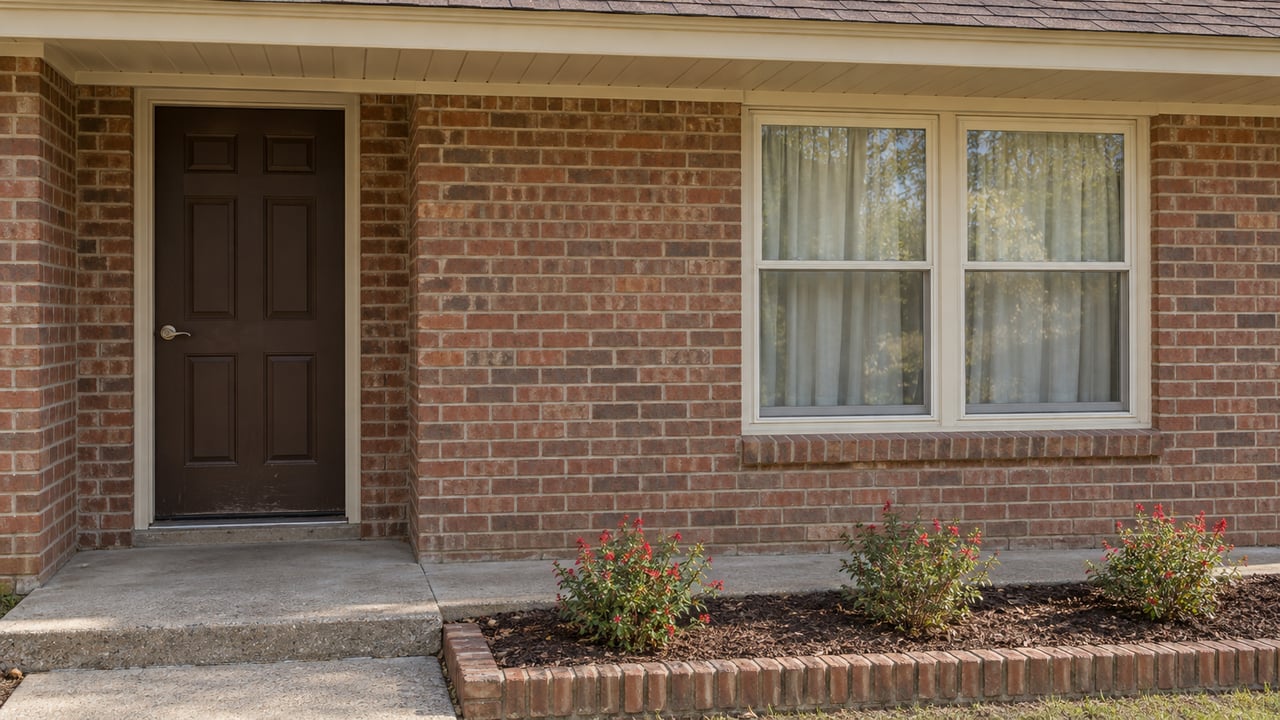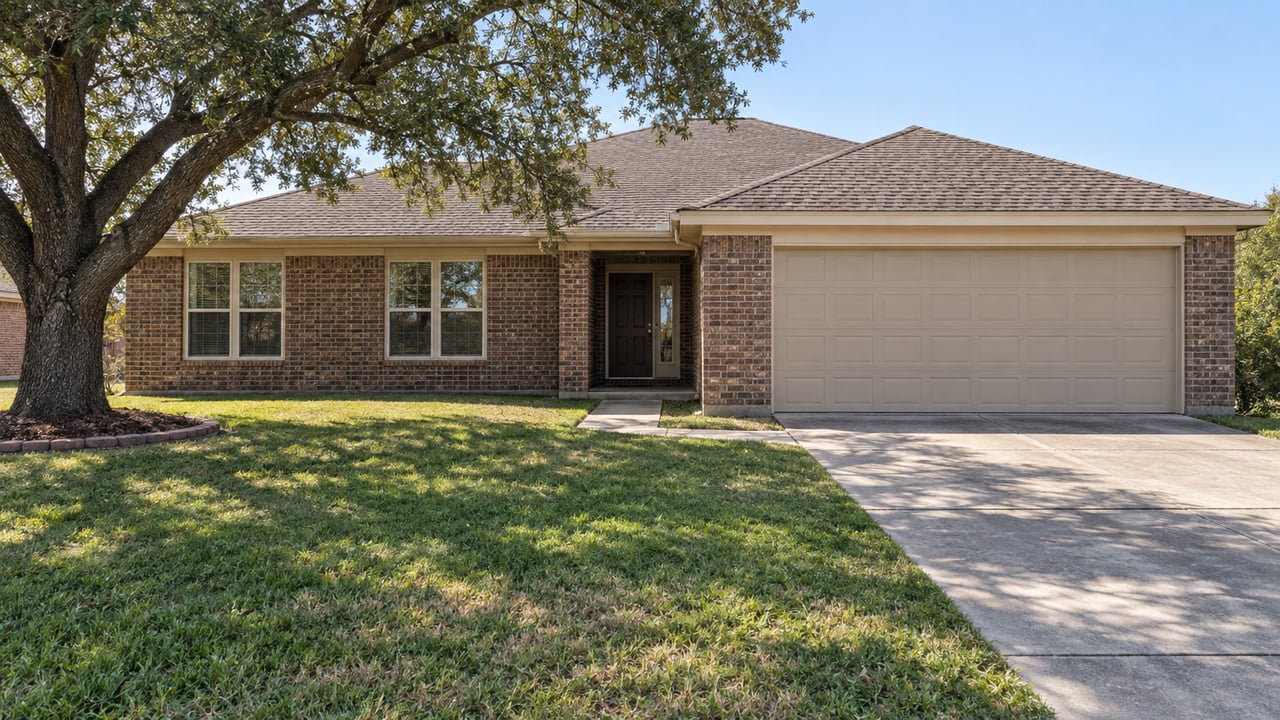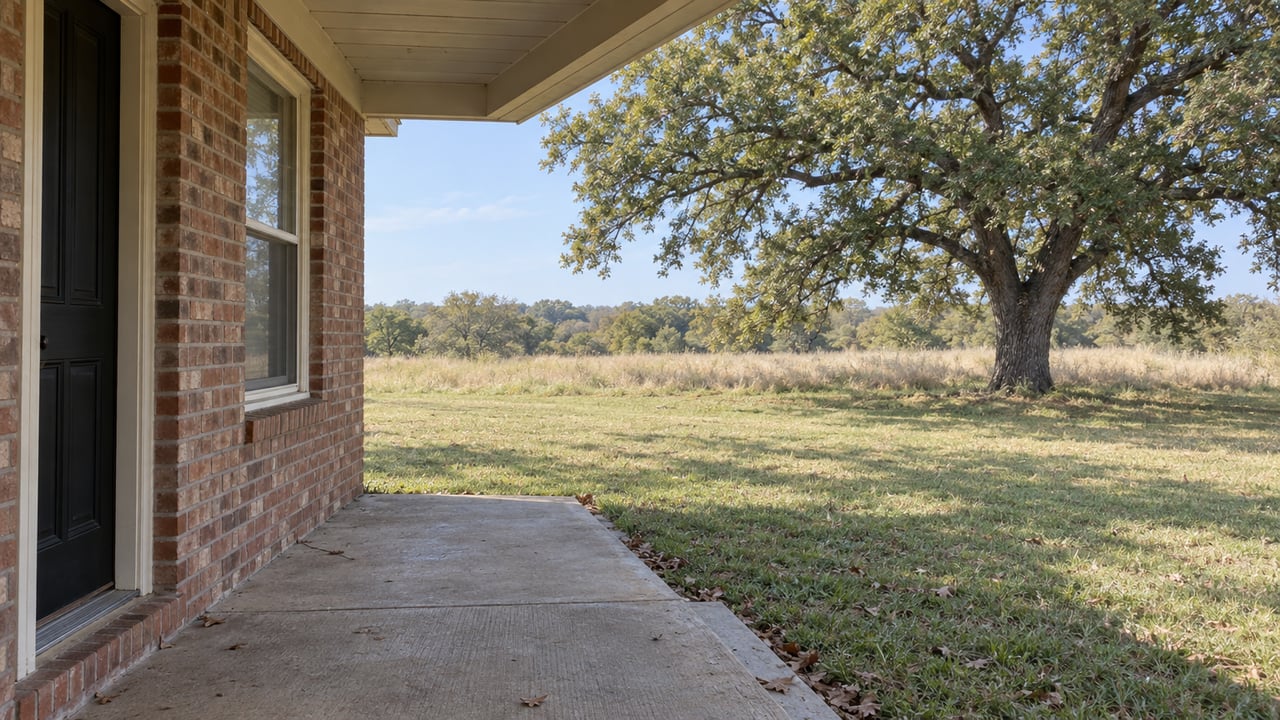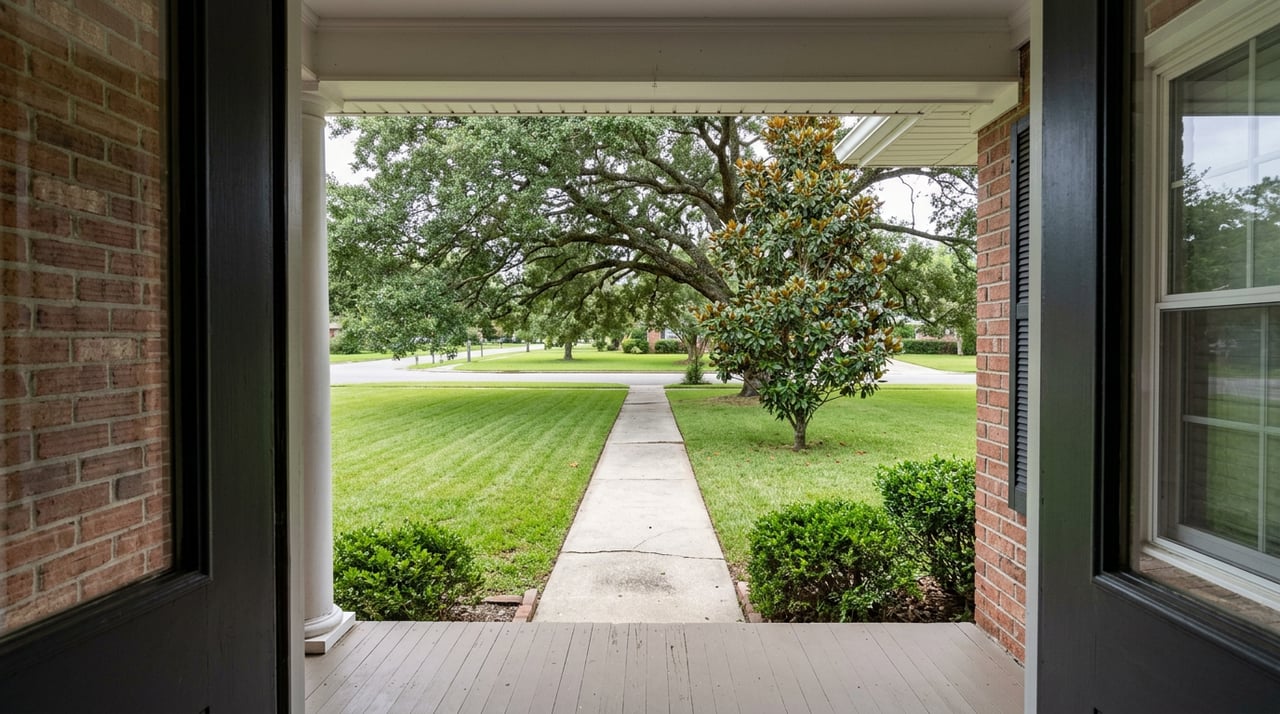
Trying to decide between Hempstead and Waller for your next acreage buy along US 290? You are not alone. Many buyers want space and privacy without losing touch with Houston jobs and services. In this guide, you will compare commute, land pricing signals, tax math, utilities, schools, and growth drivers so you can pick the town that fits your plan. Let’s dive in.
Location and commute on US 290
If a regular Houston drive is part of your week, distance matters. Waller sits closer to Houston at roughly 40 to 45 driving miles, while Hempstead is about 50 to 55 miles from the city core. That gap can add 15 to 30 minutes in normal traffic, with larger swings during peak periods. You can confirm typical distances using the simple route estimates in the distance calculator from Travelmath for Waller to Houston.
What this means for you: If you need frequent weekday access to jobs, medical, or airports, parcels closer to Waller often win. If you want more acreage or a quieter setting and can trade commute time for size or price flexibility, Hempstead can be a better fit. The right choice depends on your daily routine and tolerance for drive time.
Land price signals and what drives cost
Acreage pricing is not one-size-fits-all. The Texas A&M Real Estate Research Center tracks the rural land market and shows how large-tract prices across Texas and the Houston region set a lower per-acre baseline than the asking prices you will see for small tracts near town. Review the regional rural land trend data at the Texas A&M Real Estate Research Center.
Closer to the US 290 corridor, listing medians for small, improved parcels tend to be much higher. Public listing aggregators for Waller County often show asking prices in the tens of thousands per acre for 1 to 10 acre properties near town, with wide variation by frontage, utilities, and improvements. For a live snapshot of county-level inventory and asking-price context, scan the Waller County land listings overview.
Two key takeaways:
- Listing medians reflect the mix of what is on the market right now and are not the same as closed-sale medians. Small, near-town parcels often dominate inventory and skew per-acre figures higher.
- Texas A&M’s sold-sales statistics offer better long-run context, while local listing data helps you set expectations for near-term shopping. Use both to frame your budget.
Taxes and appraisal: what changes your annual bill
Every parcel here pays county and school district taxes. Inside city limits, you also pay city taxes. Many acreage properties sit in special districts such as MUDs or ESDs, which add rates to your bill. Always confirm the full list of taxing entities and exemptions on the Waller County Appraisal District parcel record before you estimate a tax total.
Below are example computations using adopted or posted local rates for the 2025 tax year. These are illustrations only. Your bill will change with exemptions, valuation, and any special districts.
- Waller County adopted rate (2025): 0.556187 per $100 value. See the county’s adoption document for detail: Waller County 2025 tax rate reference.
- City of Hempstead (2025–2026 ordinance): 0.559215 per $100. Source: Hempstead adopted tax ordinance.
- City of Waller (2024–2025 AFR/adopted): 0.3664 per $100. Source: City of Waller annual financial report.
- Waller ISD combined rate (2025): 1.0626 per $100. Source: Waller ISD tax rate information.
- Hempstead ISD combined rate (2025–2026): 1.0760 per $100. Source: Hempstead ISD adopted budget and rate.
Example tax math (illustrative, 2025 rates)
- Hempstead city + Hempstead ISD + Waller County: 0.559215 + 1.0760 + 0.556187 = 2.191402 per $100. A $300,000 taxable value would produce about $6,574 per year.
- Waller city + Waller ISD + Waller County: 0.3664 + 1.0626 + 0.556187 = 1.985187 per $100. The same $300,000 taxable value would be about $5,956 per year.
These figures show how city and school combinations change the total. Add any MUD or ESD rates and factor in exemptions to refine the estimate.
Agricultural (productivity) valuation
If you plan to purchase larger acreage, an agricultural or open-space productivity appraisal can reduce your tax burden. Eligibility depends on documented use and local appraisal practices. Contact the Waller County Appraisal District for current forms, qualifying uses, and timeline guidance.
Utilities and buildability: inside vs outside city limits
Inside city limits, municipal water and sewer are common. Outside city limits, most acreage relies on private wells and on-site septic, or connects to a nearby water supply corporation if available. Before you write an offer, confirm whether the parcel has a public water connection option, and if so, which system it belongs to.
Electric service can come from an investor-owned utility or a cooperative. Distance to the nearest pole and any transformer upgrades can add cost. Broadband availability varies and is worth checking early if you work from home. Build your shortlist with parcels that already have feasible utility paths to manage time and budget.
Schools and services: boundaries matter
School district lines do not always mirror city limits in the US 290 corridor. Property-specific boundaries determine your assigned district. Recent public releases have placed Waller ISD in the C range, while Hempstead ISD has shown improvement but sits lower academically in recent reporting. Always verify the current accountability and boundary details with each district’s official resources.
Emergency and municipal services also vary by location. Incorporated areas have city services, while unincorporated acreage relies on county and ESD coverage. If response-time or insurance ratings are important to you, confirm the nearest station, service provider, and hospital during due diligence.
Development outlook along 290
US 290 has long been in TxDOT’s long-range planning for additional capacity and managed-lane concepts. These are multi-year projects that can shift land demand near interchanges over time. Closer to Hempstead, proposed rail-served logistics activity has added interest and could create future demand for nearby tracts. For context on local industrial efforts, review the Hempstead rail-served logistics park brochure.
The takeaway for buyers: long-term projects can support values near key nodes, but timelines are staged and uncertain. Buy for today’s use case and make upside a bonus.
Which town fits your plan? Buyer profiles
Below are three common acreage profiles with quick-fit guidance. Price expectations are informed by the Texas A&M Real Estate Research Center and county-level listing medians such as the Waller County land listings overview. Remember that listing medians reflect current inventory and are not substitutes for closed-sale comps.
5 to 10 acre homestead (near town)
- Fit: You want a buildable site with power nearby, a short driveway, and quick access to 290. Waller’s closer-in locations can trim your commute and keep shopping and services handy.
- Price signal: Small improved tracts near Waller or in Hempstead city limits often ask in the tens of thousands per acre. Finished lots or parcels with homes and barns can exceed those levels.
- Due diligence checklist:
- Confirm electric provider, distance to pole, and hookup estimate.
- Verify water source: city tap vs water supply corporation vs well.
- Septic feasibility and soils if not on city sewer.
- Taxing-entity list on the Waller CAD record and any MUD/ESD notes.
- School district boundary assignment.
20 to 50 acre hobby ranch (pasture and barn)
- Fit: You want pasture, a barn or equipment shed, maybe a pond, and a more rural feel. Either town can work, but the extra 10 miles to Hempstead may offer larger tracts at a wider range of per-acre pricing.
- Price signal: Per-acre figures often step down from the 1 to 10 acre band, but still reflect proximity to 290 and improvements on site. Expect a broad range from the low to high thousands up to the tens of thousands per acre depending on frontage, water features, and distance to town.
- Due diligence checklist:
- Existing ag use and a path to qualify for productivity valuation.
- Fencing, cross fencing, and water supply for livestock.
- Road frontage and access points for trailers and equipment.
- Floodplain and drainage impacts on usable acreage.
100+ acre investment tract (long view)
- Fit: You are thinking land banking, future subdivision, or agricultural income. Larger tracts often price closer to regional rural baselines on a per-acre basis.
- Price signal: Many large-tract markets in Texas trade in the low thousands per acre depending on region, with location, frontage, and utilities driving premiums.
- Due diligence checklist:
- Verify all taxing entities and current adopted rates for projections.
- Confirm utilities and any off-site extension costs.
- Access, easements, and potential for future platting.
- Nearby nodes, interchanges, or industrial projects that may support future demand.
Quick due diligence checklist for any acreage
- Look up the parcel on the Waller County Appraisal District to see exact taxing entities and exemptions.
- Confirm if the property sits inside city limits, ETJ, or unincorporated county to understand utilities and permitting.
- Ask about special districts such as MUDs, water districts, or ESDs that add recurring rates.
- Verify utility feasibility and cost: electric provider, distance to poles, public water availability, septic suitability.
- Run a broadband availability check with providers if remote work matters.
- Review floodplain maps and soils to understand buildable area and potential insurance.
- Confirm school district boundary with the district.
How to choose between Hempstead and Waller
If commute and quick access to Houston top your list, Waller often makes sense. If you want more room, a rural setting, or proximity to future logistics demand, look closely at Hempstead and its surrounding tracts. In both cases, match the parcel to your use, utility needs, and tax strategy, then check the numbers against current rates and actual utility quotes.
When you are ready to compare shortlists, tour properties, and run true apples-to-apples numbers, our local team can help you weigh the tradeoffs and negotiate with confidence. Reach out to Coldwell Banker Properties Unlimited to align your acreage plan with the right 290 town.
FAQs
What is the main commute difference between Hempstead and Waller on US 290?
- Waller is roughly 40 to 45 miles from Houston and Hempstead is about 50 to 55 miles, which often adds 15 to 30 minutes to the drive depending on traffic and route.
How do property taxes compare for similar homes in each city?
- Using 2025 posted rates, a $300,000 taxable value in Hempstead city + Hempstead ISD + county computes around $6,574 per year, while Waller city + Waller ISD + county computes around $5,956 before any MUDs or exemptions.
What utilities should I verify before I make an offer on acreage?
- Confirm electric provider and hookup cost, water source (city tap, water supply corporation, or well), and septic feasibility; broadband availability is also important for many buyers.
Does school district assignment depend on the city or the property line?
- Assignment depends on school district boundaries, not just the city limit; verify the boundary for the exact parcel with the district.
Will US 290 projects or industrial parks change land values soon?
- Corridor projects and logistics activity can support demand near key nodes over time, but they are multi-year; buy for today’s use and consider long-term upside as a bonus.