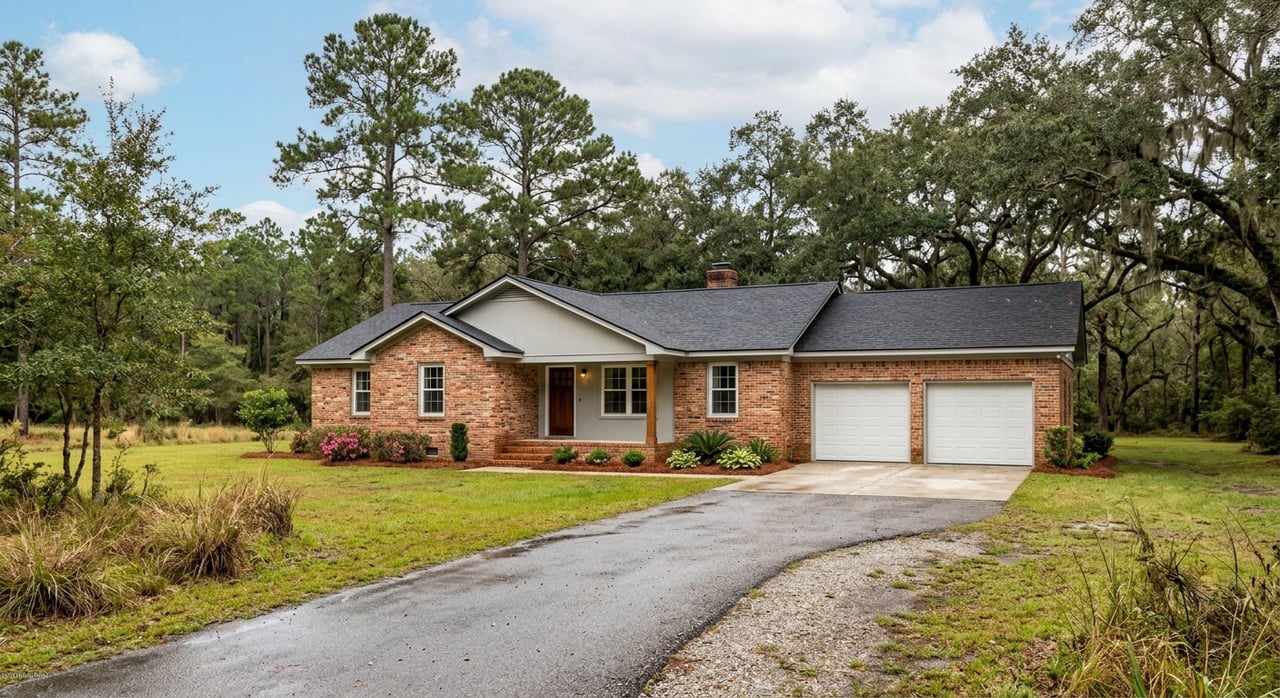
If you live in Austin, it is easy to assume all Texas ranch and acreage markets work the same way. They do not. When you start looking toward Waller, Brenham, or Navasota, you step into a different land market with different pricing patterns, terrain, and due diligence needs. This guide will help you understand what changes when you shop Houston-side ranches, so you can compare properties more clearly and tour with confidence. Let’s dive in.
Houston-Side Ranches Are a Different Market
Austin buyers often compare acreage through a Central Texas lens. That can create confusion right away, because Houston-area ranch and homesite properties are shaped by different demand drivers.
According to Texas A&M Real Estate Center data for the first quarter of 2026, statewide rural land averaged $5,246 per acre. In the Austin-Waco-Hill Country region, the average was $8,028 per acre, while the Gulf Coast-Brazos Bottom region averaged $11,698 per acre. The same report described the statewide market as healthy and stable, though still below pre-COVID activity levels, with seller expectations still influenced by peak 2022 and 2023 pricing.
That means you should not expect Houston-side acreage to price like a simple step-down from Austin. In some cases, the market can be more expensive per acre, especially when a tract has strong access, appealing surroundings, or a location near key corridors.
Waller County Often Behaves Like a Homesite Market
A Texas Chapter ASFMRA land-trends report adds important context for Waller County. It describes demand there as centered on rural acreage homesites, especially near FM 359 and in the northern part of the county.
That matters because pricing may be driven by more than soil class or raw acreage. In this market, proximity, road access, and aesthetic appeal can carry major weight. The same report notes that Waller County prices had been rising for years and then stabilized after late 2022 as interest rates increased.
For you as an Austin buyer, this means a Houston-side ranch may function more like a location-sensitive country property than a purely agricultural land buy. A tract with good frontage, attractive tree cover, or a convenient drive pattern may compete differently than a similar-sized property in Central Texas.
The Land Feels Different
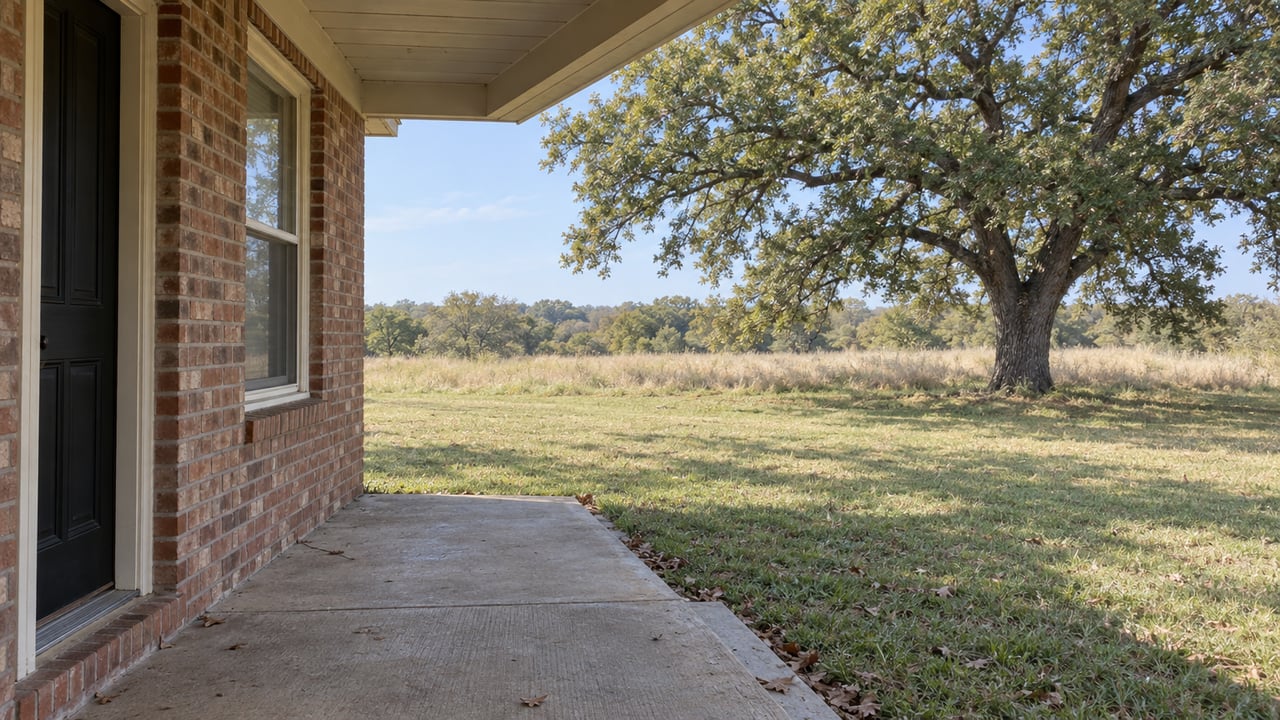
The physical setting around Houston-side ranches is not the same as what many Austin-area buyers are used to seeing. Waller County planning materials describe the SH 290 corridor as gently rolling prairies with scattered pine, oak, and elm.
The area is drained by creeks that flow toward the Brazos and San Jacinto rivers. Land use includes pasture, row crops, and timber, with gradual conversion to commercial and rural-residential use in some areas.
If your mental picture of a ranch is based on Hill Country elevation, rock, and long ridge views, you may need to reset your expectations. Here, flatter ground, creek systems, usability, and access can matter as much as dramatic scenery.
US 290 and I-10 Shape the Search
Waller County is heavily influenced by transportation corridors. County materials identify US 290 and I-10 as major routes, and the county transportation plan notes that US 290 is a major east-west highway through the northern part of the county.
The plan also says land along the US 290 corridor is mostly undeveloped outside city areas, while business-route frontage and FM roads handle local and regional traffic. Waller County also notes that US 290 connects Austin to Houston, which helps explain why the corridor matters so much to out-of-area buyers.
For ranch and acreage shopping, road patterns are not a side detail. They often shape travel time, convenience, development pressure, and long-term appeal.
Day-Trip Touring Is Possible, but You Need a Plan
From Austin, several Houston-side ranch markets are realistic to scout in a single day. Travel estimates show about 1 hour, 59 minutes from Austin to Waller, 1 hour, 32 minutes from Austin to Brenham, and 1 hour, 59 minutes from Austin-Bergstrom International Airport to Navasota.
That makes Waller and Brenham reasonable long day trips for a focused tour schedule. Navasota is still workable, but it usually calls for a fuller day and tighter planning.
If you are comparing multiple tracts, clustering tours by corridor can save time and help you make cleaner comparisons. It also gives you a better feel for how frontage roads, FM access, and surrounding land use affect each property.
Due Diligence Is More Than a Quick Walkaround
Cross-market buyers sometimes underestimate how much documentation and property detail matter on rural land. Texas A&M AgriLife’s 2026 rural-land purchasing checklist highlights several items you should verify before closing.
These include:
- Title history
- Surveys
- Easements
- Liens
- Leases
- Legal access
- Whether mineral, groundwater, or wind rights have been severed or reserved
- Agricultural tax valuation history
- Deferred maintenance
If you mainly have experience with urban or suburban homes, this can feel like a big shift. On a ranch or acreage property, what you legally own and how you can use it may be just as important as what you see from the gate.
Water and Drainage Need Extra Attention
One of the biggest mindset changes for Austin buyers is understanding how central drainage and flood review can be in the Houston-side market. Flooding should be treated as a core part of due diligence, not as an afterthought.
Waller County’s 2025 hazard mitigation update says flooding is considered highly likely. It specifically cites flood-related closures on Highway 290 near the Harris and Waller county line and on FM 3318 near the Brazos River.
For low-lying tracts or land near creeks, floodplain review should be standard practice. FEMA’s Flood Map Service Center is the official public source for flood-hazard information and effective flood maps, so map verification is an important part of evaluating usable land.
Agricultural Valuation Is Not Automatic
Some buyers assume a property advertised with an agricultural valuation will keep that status without much effort. That is not something you want to assume.
The Texas Comptroller says qualifying agricultural, timber, and wildlife-management land may be appraised based on productivity value instead of market value. In general, the land must have been devoted to agricultural or timber production for five of the past seven years to qualify.
The Comptroller also states that removing agricultural use can trigger a rollback tax. For you, the practical takeaway is simple: confirm the current status, ask for the history, and understand what ongoing use may be required before you close.
Septic, Entrances, and Tract Rules Matter
Houston-side acreage shopping also brings more attention to site readiness. On many properties, utility planning and access improvements can affect both budget and timeline.
Waller County says private septic systems must be properly designed, permitted, installed, and maintained, and buyers should contact the county environmental division before installation. In Washington County, OSSF review evaluates whether lots that will use septic systems are suitable for that use.
Washington County also notes that if an entrance requires a culvert, buyers should contact county engineering or TxDOT. Its subdivision regulations make clear that new tract splits are governed by county development rules.
In plain terms, not every tract is equally ready for your plans. Before you assume a parcel can support a homesite, driveway, or future split, make sure those details have been checked.
What Value Looks Like in This Market
In Houston-side ranch markets, value often shows up differently than many Austin buyers expect. The strongest price differences may come from frontage, improvements, drainage, and flood-safe usability rather than acreage alone.
That is especially true in markets like Waller County, where homesite demand and corridor access influence pricing. A smaller tract with strong access and fewer site hurdles may deliver better practical value than a larger tract with complicated drainage or limited legal access.
This is one reason side-by-side comparisons matter. Looking only at price per acre can miss the factors that affect how usable a property really is.
Why Local Knowledge Helps
When you are buying outside your home market, local context becomes more important. Coldwell Banker Properties Unlimited is based in Waller, Texas, and its public inventory reflects active country-property listings in Waller and nearby corridors such as FM 359 and Kickapoo Road.
That kind of local footprint matters in a market where access, corridor patterns, property rights, and site conditions can vary widely from one tract to the next. If you are shopping Houston-side ranches from Austin, having guidance from a brokerage focused on farm and ranch property can make the process more efficient and more informed.
The key is not just finding acreage. It is understanding which acreage fits your goals, your timeline, and your comfort level with land improvements and due diligence.
If you are ready to compare Houston-area ranches with a clearer strategy, connect with Coldwell Banker Properties Unlimited for local insight on Waller County and the surrounding corridors.
FAQs
What should Austin buyers expect from Houston-side ranch pricing?
- Houston-side acreage does not always come at a discount to Central Texas. First quarter 2026 data showed the Gulf Coast-Brazos Bottom region averaging $11,698 per acre versus $8,028 per acre in the Austin-Waco-Hill Country region.
Why is Waller County different from some Austin-area ranch markets?
- Waller County is often driven by demand for rural acreage homesites, especially near FM 359 and northern parts of the county, where proximity, access, and visual appeal can strongly affect value.
What roads matter most when shopping ranches near Houston?
- US 290 and I-10 are major corridors, with US 290 playing a key role in connecting Austin to Houston and shaping access, travel patterns, and nearby land demand.
What due diligence should Austin buyers review on a ranch property?
- You should review title history, surveys, easements, liens, leases, legal access, severed or reserved property rights, agricultural valuation history, and deferred maintenance.
Why do flood and drainage checks matter for Houston-side acreage?
- Waller County identifies flooding as highly likely, and flood-related closures have affected Highway 290 and FM 3318, so floodplain review and map verification are important parts of evaluating land.
What should buyers know about agricultural valuation in Texas?
- Agricultural valuation is not automatic. The Texas Comptroller says qualifying land generally must have been used for agricultural or timber production for five of the past seven years, and a change in use can trigger rollback tax consequences.
Do septic and driveway access issues come up on rural tracts?
- Yes. County rules may affect septic permitting, lot suitability, culvert needs, and tract splits, so site access and development readiness should be confirmed before closing.