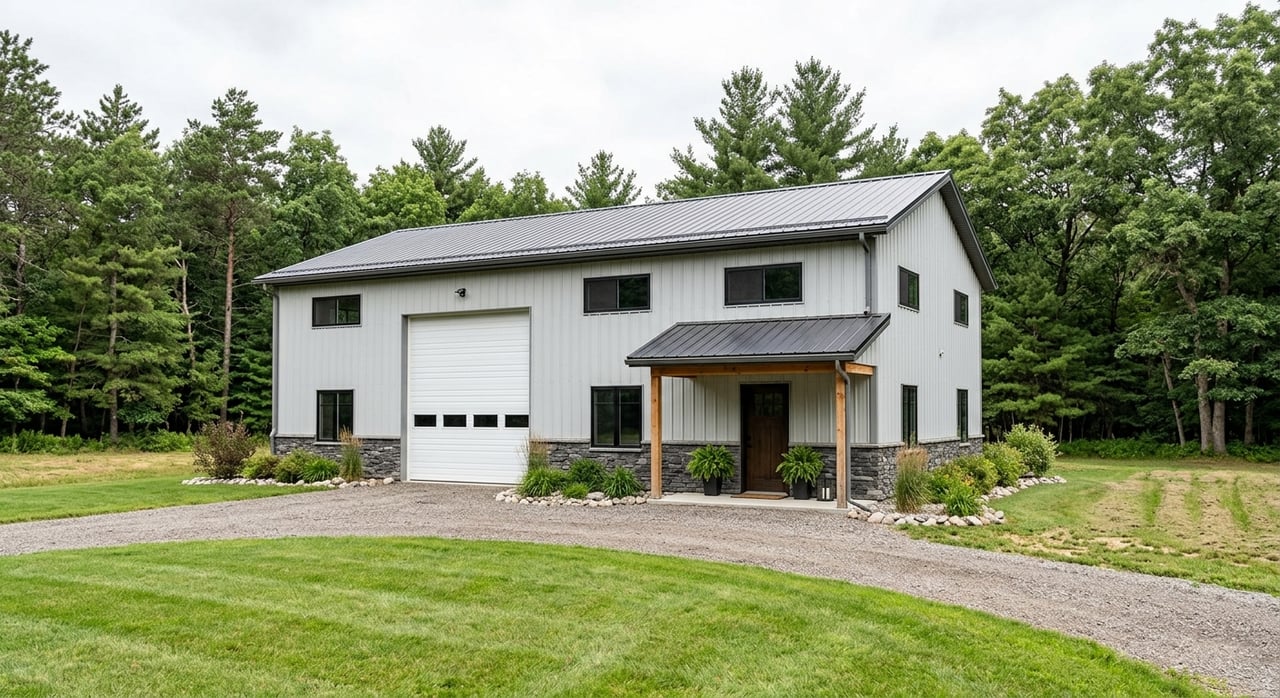
If you are dreaming about a barndominium on Magnolia acreage, the land itself can make or break the project long before construction starts. Many buyers picture the floor plan, porch, or shop first, only to learn later that jurisdiction, floodplain rules, septic limits, access, or deed restrictions change what is actually possible. The good news is that with the right due diligence, you can spot those issues early and plan with confidence. Let’s dive in.
Start With Jurisdiction
One of the most important first steps is figuring out where the tract falls from a regulatory standpoint. A Magnolia mailing address does not automatically mean the property is inside the City of Magnolia.
The city states that its limits cover about 5 square miles, with an ETJ extending a half mile beyond that. If your tract is inside city limits, Magnolia’s permit and code process applies. If it is outside city limits, Montgomery County becomes the main local authority for development.
Why City Limits Matter
This distinction affects your permit path, timelines, and site planning. Inside Magnolia city limits, undeveloped land must be platted before development, and a replat can affect lot layout, setbacks, and easements.
That means you do not want to finalize a barndominium design before you know whether the tract’s legal layout supports it. A great plan on paper can still require major changes if the lot lines or easements do not work.
Review Restrictions Before You Design
A tract may look perfect for a barndominium and still have recorded restrictions that interfere with your plans. Deed restrictions and covenants can regulate structure size, location, design, and land use.
In practical terms, that means you should review the title commitment, recorded plat, and any subdivision restrictions before you spend money on plans. Even if a document does not mention barndominiums by name, it may still limit metal buildings, accessory structures, second dwellings, or other uses tied to your project.
Easements Can Shape the Build Site
Easements matter just as much as restrictions. Utility easements, drainage easements, and access areas can reduce where you can place the home, shop, driveway, or septic system.
On acreage, this often affects more than the building pad. It can also change how you run utilities, position the entrance, or plan future improvements on the tract.
Check the Land’s Physical Limits Early
Before you commit to a purchase, make sure the site can physically support the build you want. Montgomery County’s residential development permit packet requires a legal description, a site plan or survey showing the location of new and existing structures, and an address verification letter for new development.
That is a strong reminder that site details matter early. You will need more than a rough idea of where the house might go.
Access and Drainage Matter More Than Buyers Expect
On acreage, driveway access and drainage can become major cost and timing factors. Montgomery County’s permit packet references culvert verification through Precinct 4 where applicable, which shows how closely access and drainage can tie into development approval.
If the tract needs a culvert, driveway work, or drainage improvements, you want to know that before closing. These items can affect both the layout and the budget.
Floodplain Can Change the Plan
Floodplain review is another critical step, especially in unincorporated Montgomery County. County floodplain regulations require a development permit for work in regulated areas and state that no structure or land may be located, altered, or have its use changed without full compliance.
Depending on the site, floodplain development may also require elevation or floodproofing documentation from a professional. That can influence where you place the barndominium, how high the finished floor sits, and what the final construction cost looks like.
Plan Utilities Before You Buy
Utilities are one of the biggest differences between a rural acreage build and a typical suburban home site. If public sewer is not available, Montgomery County requires the owner to apply for a septic permit.
County guidance also states that lots should be at least 0.75 acre if there is no private well, and at least 1.5 acres if both a septic system and a private water well will be installed. For buyers looking at smaller acreage tracts, that is an important threshold to confirm early.
Water and Sewer Service Questions
If water or sewer will come from a utility district or company, the county packet asks for a utility district letter. That means you should verify service and documentation, not just rely on a listing description or general assumption.
If service is not available, you may need to coordinate septic and private well planning as part of the overall build strategy. On rural tracts, those pieces need to work together from the beginning.
Private Wells Require Licensed Professionals
If your plan includes a private well, Texas requires a licensed water well driller and pump installer. This makes builder coordination especially important.
You want a team that understands how the home site, septic area, well placement, and utility timing all fit together. That kind of sequencing can save you from expensive changes later.
Design the Barndominium Around the Site
Acreage gives you more flexibility than a standard subdivision lot, but that freedom works best when the design responds to the land. Instead of forcing a preselected layout onto the tract, shape the home around access, drainage, utility locations, and sun exposure.
That approach often leads to a smoother permit process and a more comfortable finished home. It also helps you make better use of porches, views, work areas, and open space.
Think About Sun, Shade, and Heat
The U.S. Department of Energy says passive solar design works best when the south side of the house has unobstructed sun access. It also notes that windows or other solar collecting features generally perform best when facing within 30 degrees of true south.
That matters in Magnolia because a wide acreage tract may let you position the house for better daylight and energy performance. At the same time, south-facing windows need proper shading, and east- and west-facing windows are more likely to add unwanted summer heat.
Save Roof Space for Future Solar
If you may want solar panels later, it is smart to plan for that now. The Department of Energy says solar panels perform best on unshaded south-facing roofs with a slope between 15 and 40 degrees.
That does not mean every barndominium needs the same roof design. It simply means you should reserve a roof plane that can support your long-term goals if solar is on your list.
Set the Shop-Home Layout Early
Barndominium design decisions need to happen early because county paperwork asks for bedrooms, restrooms, living area square footage, and exact structure placement. The shop-to-home relationship, utility runs, and building footprint should be worked out before permit submittal.
This is especially important if you are considering more than one structure or a future second dwelling. Inside Magnolia, the city says the first step is to confirm zoning and lot standards, and the property may need to be subdivided and replatted.
Understand the Permit Path
The permit process depends on where the tract is located. Inside Magnolia city limits, the permit menu includes building, electric, plumbing, HVAC or mechanical, fence, driveway, site work, foundation, and other permit types.
The city also says permit applications with plans should be emailed to the permit office, while plats and site plans are submitted through EncodePlus. For planning purposes, Magnolia notes that permit approval usually takes about two weeks depending on the project and revisions.
County Builds Need Detailed Documentation
Outside city limits, Montgomery County’s permit path becomes the main framework. The county packet makes it clear that new residential development requires a detailed site plan, legal description, and address verification.
It also states that each structure or addition needs its own permit, and permit information, including the address, cannot be changed once generated. That makes accuracy at the front end very important.
Choose a Builder Who Knows Local Process
Texas does not require a statewide general contractor license, but local rules can still matter. Inside Magnolia, contractor registration is required before the city will issue permits, and the registration form asks for contractor insurance with a $1 million minimum.
The city also states that permit applications will not be accepted until registration documents are complete. That is a strong reason to work with a builder who already understands the local process.
Licensed Trades Still Matter
Specialty trades in Texas have separate licensing requirements. Electricians must be licensed, plumbers are licensed through the Texas State Board of Plumbing Examiners, air conditioning and refrigeration work requires Texas licensure, and private well drilling is regulated by the Texas Department of Licensing and Regulation.
For you as a buyer, that means a reputable builder should be able to coordinate the right licensed professionals and keep the project moving through inspections and approvals.
Match the Land, Plans, and Financing
Financing for a barndominium build usually works best when the lot, plans, and budget are aligned before closing. Fannie Mae’s construction-to-permanent guidance states that the borrower must hold title to the lot, the construction must be completed and paid for before the loan is delivered, and the lender must keep a certificate of occupancy or equivalent form at conversion.
Fannie Mae also states that appraisals for new or proposed construction are based on plans and specifications. In simple terms, lenders usually want a complete plan set and a defined build budget before the first draw.
A Practical Build Sequence
Here is a simple sequence to keep your project organized:
- Verify whether the tract is inside Magnolia city limits, in the ETJ, or in unincorporated Montgomery County.
- Review the title commitment, recorded plat, deed restrictions, and easements.
- Confirm access, drainage, floodplain status, and any culvert or driveway requirements.
- Verify sewer, septic, water service, or private well feasibility.
- Complete the site plan and floor plan together so placement, setbacks, utility runs, and living spaces all work as one design.
- Choose a builder who understands Magnolia or Montgomery County permit steps and licensed trade coordination.
- Finalize financing with the lot titled correctly, plans complete, and draw schedule understood.
- Build through inspections, then obtain the certificate of occupancy or equivalent before move-in.
Why Local Acreage Guidance Helps
Planning a barndominium on Magnolia acreage is not just about finding enough land. It is about finding land that supports your vision legally, physically, and financially.
When you check jurisdiction, restrictions, utilities, drainage, and build sequencing early, you give yourself a much better chance of avoiding redesigns and delays. If you are looking at acreage in Magnolia or nearby areas, working with a team that understands land transactions can help you ask the right questions before you buy. When you are ready to explore acreage opportunities or need guidance on evaluating a tract, connect with Coldwell Banker Properties Unlimited.
FAQs
What should you check first before building a barndominium in Magnolia?
- First, confirm whether the tract is inside Magnolia city limits, in the ETJ, or in unincorporated Montgomery County because that determines the main permit path and local development rules.
Can deed restrictions affect a barndominium build on Magnolia acreage?
- Yes. Deed restrictions and covenants can affect structure size, placement, design, accessory buildings, and land use, so you should review them before paying for plans.
Does a Magnolia mailing address mean the land is inside the city?
- No. A Magnolia mailing address does not automatically mean the property is inside the City of Magnolia, so jurisdiction should always be verified early.
Do you need septic approval for a rural Magnolia-area build?
- If public sewer is not available, Montgomery County says the owner must apply for a septic permit, and minimum lot size guidance depends on whether a private well is also planned.
Why does floodplain status matter for Magnolia acreage?
- Floodplain status can affect where you can build, what type of documentation may be required, and whether elevation or floodproofing measures are needed for compliance.
When should you finalize the floor plan for a Magnolia barndominium?
- You should finalize the floor plan early because permit and septic documentation depend on details like structure placement, bedrooms, bathrooms, and living area square footage.